Best Car Seats
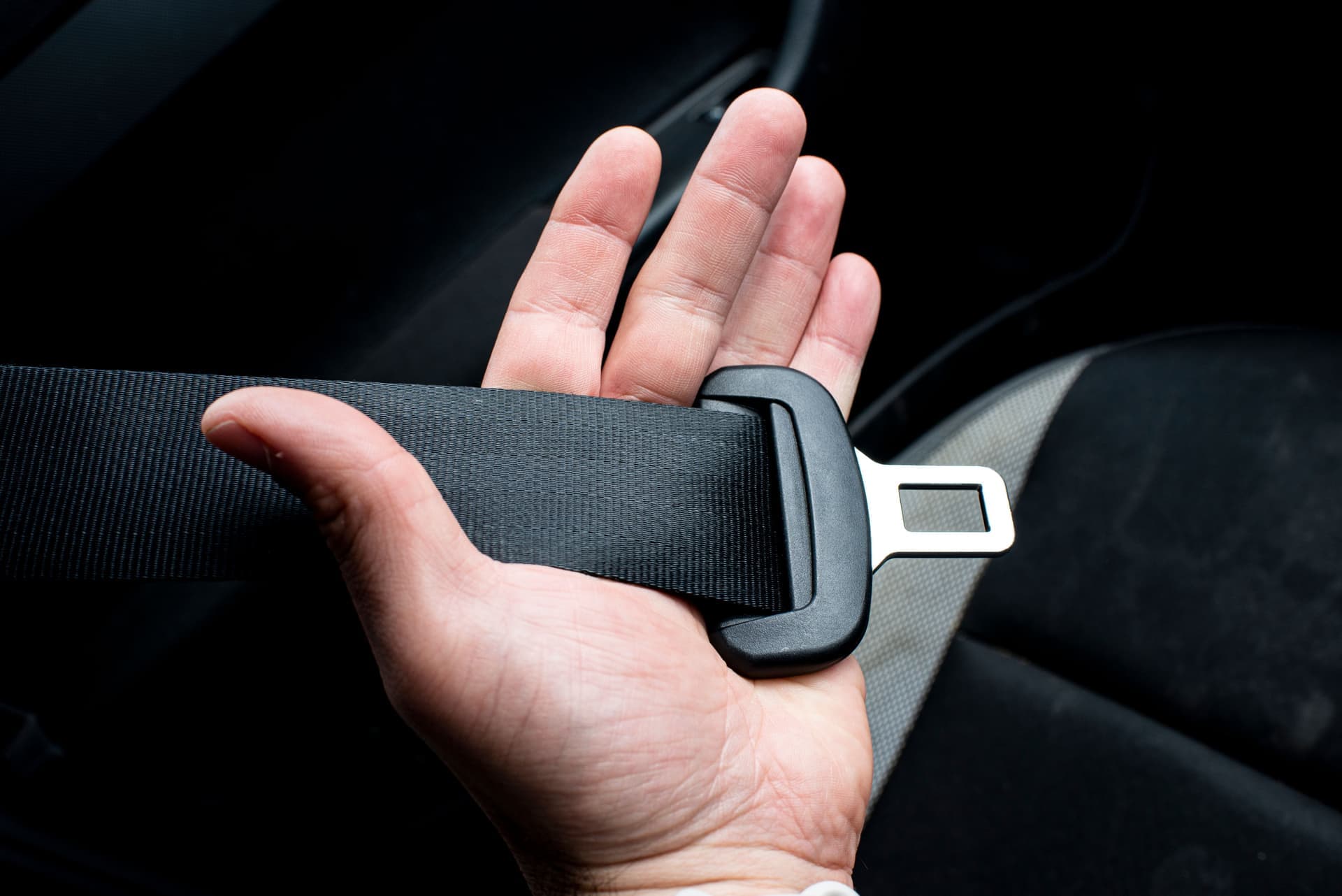
Here is the most important thing to know before you spend a dollar: every car seat legally sold in the United States must pass the same federal crash test, the standard called FMVSS 213. A $60 seat and a $500 seat both meet it. That means the price gap is not the difference between "safe" and "unsafe" — it's the difference in how long the seat lasts, how easy it is to install correctly, and how comfortable it is to live with. We will never soften a safety point to make a sale, and we won't let a shiny feature distract from the one that matters: a correct install.
The four types you'll choose between
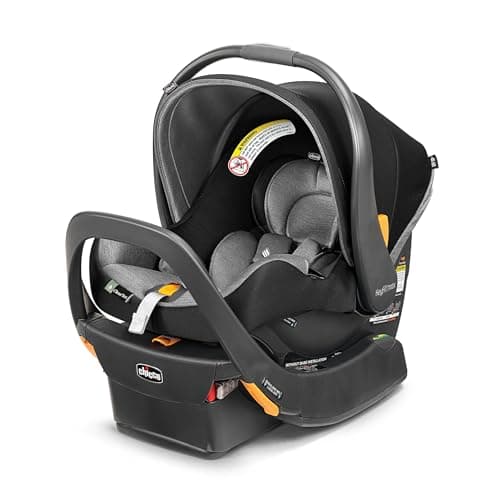
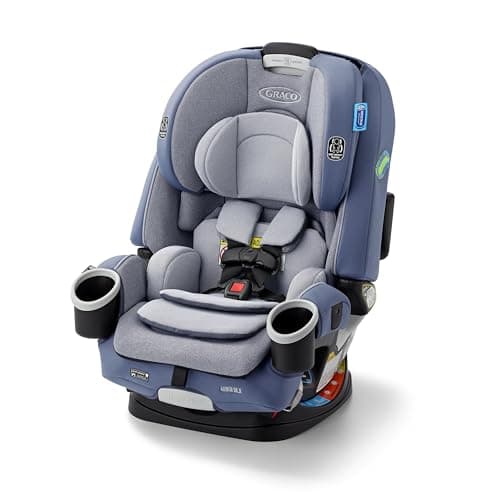
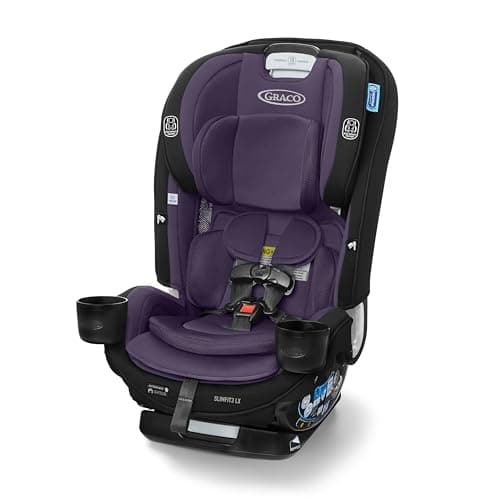
Infant car seats are rear-facing-only carriers with a base that stays buckled in the car; you click the seat in and out and carry the baby in it. They fit newborns best and click onto strollers, but babies outgrow them, usually within a year. Convertible car seats stay in the car and rotate from rear-facing to forward-facing as the child grows, covering more years for the money. All-in-one seats go one step further, converting all the way to a booster — one seat that can, in theory, be the only one you buy. See our best all-in-one car seats for the seats that carry a child from birth through the booster years, and our full Graco 4Ever DLX review for the seat most families mean when they say all-in-one. If your back seat is the constraint — a compact car, or three children across one row — our best car seats for small carsroundup ranks the narrow seats on published width and rear-facing footprint rather than on the word "slim".
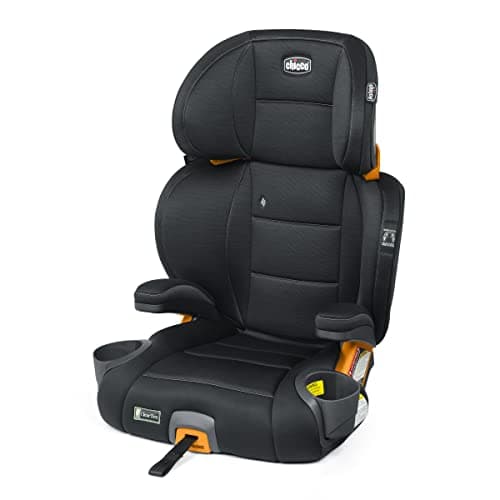
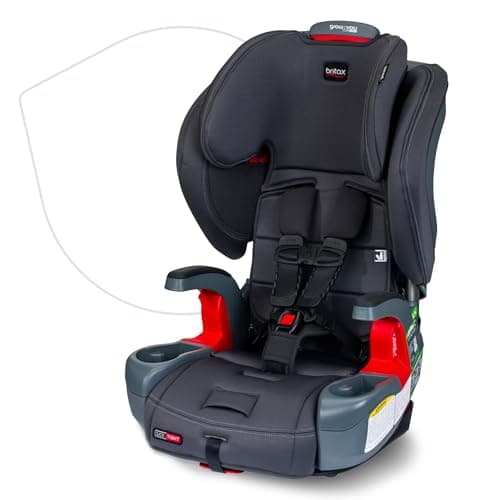
Years later comes the last one. Booster seatshave no harness at all — they lift a child so the car's own lap-and-shoulder belt sits low on the thighs and across the middle of the shoulder. They are a step down in restraint, not up, so the harness years are worth stretching as far as your seat allows. Our best booster seats roundup covers when a child is genuinely ready and how highback and backless boosters differ. Between the two sits the harness-to-booster seat — forward-facing only, a five-point harness first and a booster later — which our best harness booster seats roundup ranks on harness limits and install ease.
Why installation matters more than the badge
Government checks have found that a large share of car seats are installed or used incorrectly. A seat that's easy to install tightly — with a good bubble level, a one-pull tightener, or a tension dial — protects your child more in the real world than a pricier seat that's fiddly to get right. That's why our scoring weights install-ease heavily, and why picks like the Chicco KeyFit line and Britax ClickTight seats rank so well. It's also why we cite the federal standard and the American Academy of Pediatrics (AAP) guidance directly on every page, so you can check our reasoning against the primary source, not a brand's paraphrase.
Rear-facing, longer
The AAP recommends keeping a child rear-facing until they reach the highest weight or height allowed by their seat — it is meaningfully the safest position for a young child's head, neck, and spine. Several seats we recommend are built specifically to extend rear-facing use, and we call that out. We won't rank a seat higher for making it easy to turn a baby forward-facing too soon.
Every pick below shows a live price and links to its full write-up, our safety guides, and the standards themselves. Start with the type that matches your child's age, then read why each seat earned its place.
Our roundups
Model reviews
Head-to-head comparisons
How we choose our picks
We haven't lab-tested this gear, and we won't pretend we did. Our ratings are built from the manuals, the published specs, the federal safety standards, and live prices — with a published rubric you can read for yourself.
Read our methodology