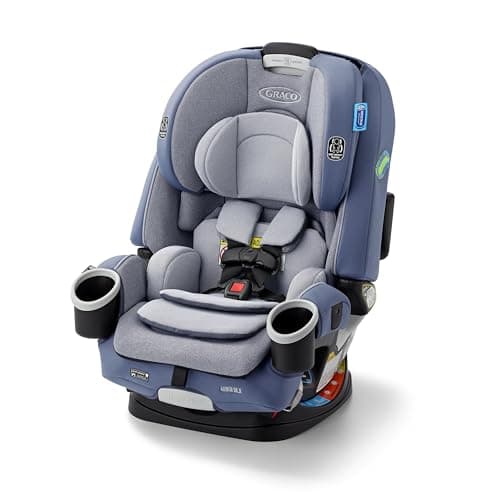
An all-in-one car seat is the tempting promise at the heart of the car-seat aisle: buy one seat, install it once, and never shop for another. In theory a single all-in-one carries your child through every stage — rear-facing for the newborn and toddler months, then a forward-facing harness, then a highback booster, and on some seats a backless booster for the last stretch before the vehicle belt fits on its own. One purchase, one learning curve, years of use. Every seat below meets FMVSS 213, the federal crash standard every car seat sold in the United States must pass, so none of them is "the unsafe one." What separates them is how long each keeps your child rear-facing, how foolproof the install is, and how gracefully one seat holds up across all those years.
The honest catch is worth saying plainly, because a do-everything seat is rarely the best at any single stage. An all-in-one is large and heavy — it stays in the car, and it can be a tight rear-facing squeeze in a small vehicle. It does not click out onto a stroller the way a dedicated infant car seat does, so for the newborn months a separate carrier is still easier: you can move a sleeping baby from car to house without unbuckling them. And a seat used daily for the better part of a decade will simply show its miles by the booster stage. Plenty of families are happiest with two or three seats over time. But if you want to buy once, or you need a capable second seat for another car, an all-in-one is a genuinely sound choice — provided you install it tightly and use it correctly on every trip.
What "all-in-one" actually means
The label covers seats that convert between three or four modes. First is rear-facing, where a newborn or toddler rides facing the back of the car — the safest position, because it spreads crash forces across the strong bones of the back and cradles the head and neck. Next is the forward-facing harness, a five-point harness for a child who has outgrown rear-facing. Then comes the highback booster, which retires the harness and instead uses the seat's guides to position the vehicle's own lap-and-shoulder belt across a bigger child. Some all-in-ones add a fourth mode, a backless booster, for the final stretch. The American Academy of Pediatrics recommends keeping a child rear-facing until they reach the highest weight or height their seat allows, then in a harness until they outgrow that, then in a booster until the adult belt fits — so the modes are a sequence to move through slowly, not a countdown to rush. If you would rather cover the last two of those stages with a dedicated forward-facing seat, a harness booster does harness-then-booster from one shell without the rear-facing mode.
How we ranked them
Because every seat clears the same federal bar, our ranking leans on the things you actually control. Four carried the most weight.
- Correct-install ease.Safety agencies consistently find that a large share of car seats are installed or used incorrectly, and a loose seat or a wrong recline angle cannot do its job. A tensioning system that makes a tight install easy — Britax's ClickTight dial, Chicco's self-tensioning LeverLock, a clear recline indicator — matters more than any brochure feature.
- Rear-facing range. The higher the rear-facing weight and height limit, the longer your child stays in the safest position. A seat that rear-faces to 40 pounds covers most toddlers; one that reaches 50 buys extra time.
- Longevity across modes. The whole point of an all-in-one is the years it spans. We looked at the top booster limits and whether the seat covers three modes or four, since that decides how far past the harness years one purchase really takes you.
- Everyday fit and value. Width for three-across back seats, weight, padding, washable covers, and price. A seat that will not fit alongside a sibling, or that never gets installed because it is a wrestling match, is not the right seat however it scores on paper.
We have not crash-tested these seats ourselves and will not pretend otherwise. Our scores come from the manufacturers' published specifications and manuals, the federal standard, and live retail prices — the full rubric is on our methodology page.
How to choose in one minute
- Want the do-everything default?The Graco 4Ever DLX covers rear-facing, a forward-facing harness, and two booster modes in one seat, with Graco's InRight LATCH install — years of use from a single, sensibly priced purchase. Read our full Graco 4Ever DLX review before you buy.
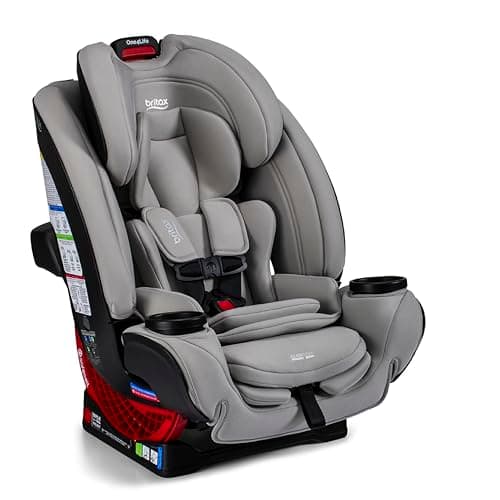
- Want the install you are least likely to get wrong? The Britax One4Life uses the ClickTight dial, which makes a rock-solid belt install about as foolproof as it gets, and it rear-faces to 50 pounds and boosts all the way to 120.
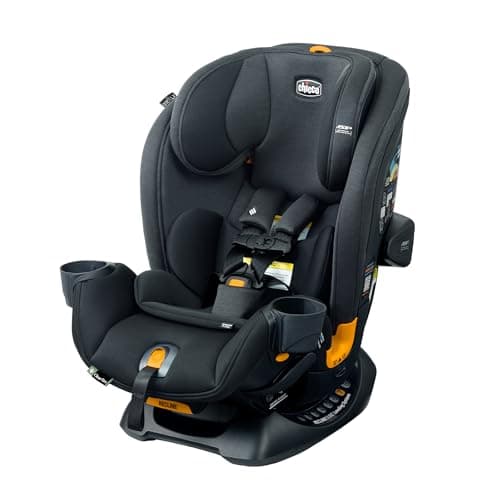
- Care most about fit and comfort?The Chicco OneFit LX pairs a slim, well-padded shell with ClearTex fabric made without added flame-retardant chemicals, plus Chicco's easy-install pedigree.
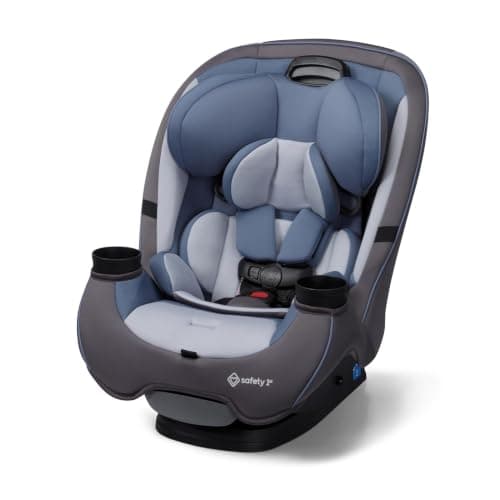
- Watching the budget? The Safety 1st Grow and Go is light, simple, and inexpensive, and still carries a child from rear-facing through the highback booster years.
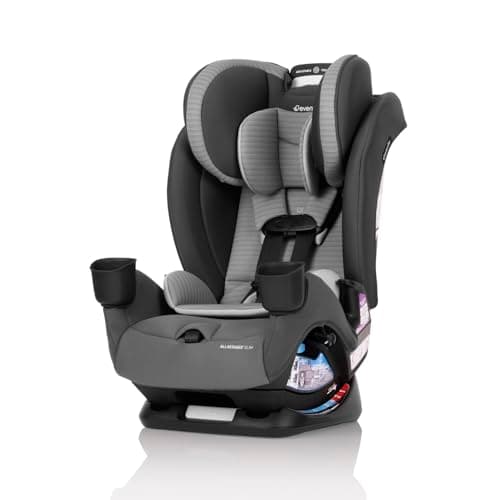
- Fitting three across, or a narrow back seat? The Evenflo All4Stages Slim has a slim footprint that makes three-across seating realistic, with four modes to a 120-pound backless booster. For the full narrow field, see our best car seats for small cars.
All-in-one, or an infant seat first?
This is the real decision for a new baby. An all-in-one installs rear-facing and its lowest harness settings fit a newborn, so it is a safe from-birth option if you would rather buy one seat. But an infant carrier clicks in and out of a base and onto a stroller, which is genuinely easier in the newborn fog — and it is the reason we still point most first-time parents to a dedicated infant seat for the first year, then a convertible or all-in-one after. If you are weighing that trade-off between two popular carriers, our Chicco KeyFit vs. Graco SnugRide comparison walks through it. And if you have decided against a booster-capable seat and simply want the longest rear-facing life, a dedicated extended-rear-facing convertible is worth a look — see 4Ever DLX vs. Extend2Fit for exactly that trade.
Two practical cautions before you buy
First, measure your car. Rear-facing footprints vary a lot, and a big all-in-one that fits a friend's SUV may not fit your compact — especially rear-facing behind a tall driver. If you can, buy from somewhere with a return window and check the fit in your own vehicle on day one. Second, every all-in-one has an expiration date, usually printed on the shell or in the manual and often about ten years from manufacture; the plastics and foam degrade and standards change, so the last booster years of a seat you buy today are the ones to check the date on. Our guide to how long car seats stay good for explains where to find it. When you are ready to think about turning your child around, start with rear-facing versus forward-facing. The quick-picks table below shows a live price for each seat and links to its full write-up.