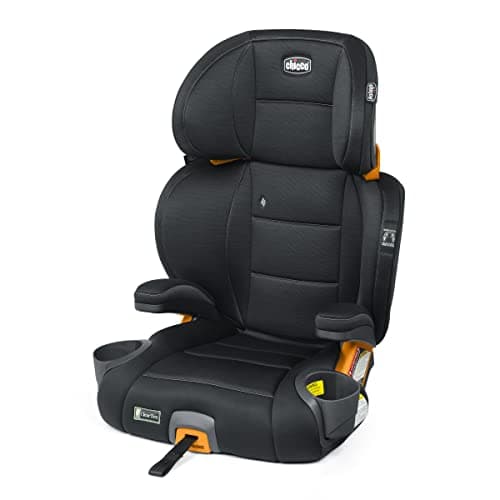
A booster seat is the last car seat you will buy, and it is the one parents most often get wrong — usually by moving to it too early, sometimes by skipping it years too soon. It also works in a way that surprises people. A booster has no harness of its own. It does not restrain your child at all. Its entire job is to lift and position your child so that the vehicle's own lap-and-shoulder belt — a belt engineered around an adult body — lands on the strong parts of a small one: low across the upper thighs, and across the middle of the shoulder and chest. Get that right and the belt does its job in a crash. Get it wrong and the lap belt rides up onto the soft abdomen, which is exactly the injury pattern boosters exist to prevent.
Every seat on this page is certified to FMVSS 213, the federal crash standard every child restraint sold in the United States must meet. That is a legal requirement, not a feature, and it means none of these is "the unsafe one." What separates them is fit range, adjustment, and how well they hold their position — and price, which across this group runs from pocket-money cheap to about four times that. The table below carries the live figure for each, because booster prices move constantly and a number written into an article is stale within a week.
First: is your child actually ready for a booster?
This is the part worth slowing down on, because it is where most of the real safety risk in this category sits. A booster is a step down in restraint, not a step up. A five-point harness holds a child at five points; a seat belt holds them at two. The American Academy of Pediatrics is direct about the sequence: a child moves to a booster only after they have outgrown the forward-facing harness of their current seat — meaning they have hit its top harness weight or height, their shoulders are above the top harness slots, or the tops of their ears have reached the top of the seat shell.
Age alone does not qualify anyone. Many convertible and all-in-one seats harness to 65 pounds, which for most children is somewhere around age six or seven. If your child is still comfortably inside the harness limits of their current seat, the right move is to keep them in it — see our best convertible car seats for what those limits look like across the field, or, if the current seat has run out of harness room early, a forward-facing harness booster seat that keeps a child harnessed to 65 pounds before becoming a booster. There is a second, less obvious requirement too: a booster only works if the child sits properly in it for the whole trip, every trip. A child who slumps, leans out to look at something, or tucks the shoulder belt behind their arm is not being protected by it. Maturity is a real prerequisite, and it is why child passenger safety technicians commonly suggest waiting until at least five.
What we scored, and why
Because every booster clears the same federal bar, our ranking is built almost entirely around belt fit and adjustment — the variables you actually control. Four things carried the weight.
- Shoulder-belt guide range.On a highback booster, the belt guide sits in the headrest and needs to stay at or just above your child's shoulder for years. More headrest positions and a taller top setting mean a correct belt path for longer. This is the single most useful spec on a booster and the one that most cleanly separates a $35 seat from a $140 one.
- Lap-belt geometry. The armrests and seat pan decide where the lap belt sits. A well-shaped booster routes the lap belt low across the thighs and holds it there; a poorly shaped one lets it creep up onto the belly. Height-adjustable armrests help.
- Fit range and lifespan. Published weight and height limits vary more than you would expect — from 100 pounds and 57 inches at the low end to 120 pounds and 63 inches at the top. That difference is roughly two extra years of use for a tall kid.
- Everyday practicality. Weight, width, whether it anchors to the car when empty, and whether a child can buckle themselves. A booster that gets left at home or fought over every morning is not doing its job either.
We have not crash-tested any of these ourselves and we will not pretend otherwise. Our scores come from the manufacturers' published specifications, the manuals, the federal standard, and live retail prices — the full rubric is on our methodology page.
How to choose in one minute
- Want one seat that covers the whole booster stage? The Chicco KidFit ClearTex Plus starts as a highback and drops its backrest to become a backless booster when your child is ready, with ten headrest positions in between.
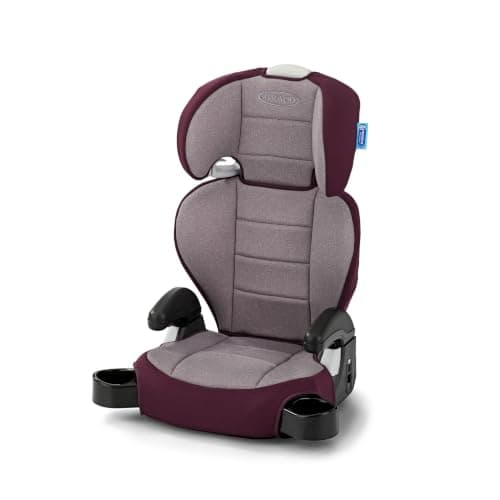
- Want the sensible, affordable default? The Graco TurboBooster 2.0 Highback does the important things — adjustable head support, open belt guides a child can thread themselves — for roughly half the price of the premium seats.
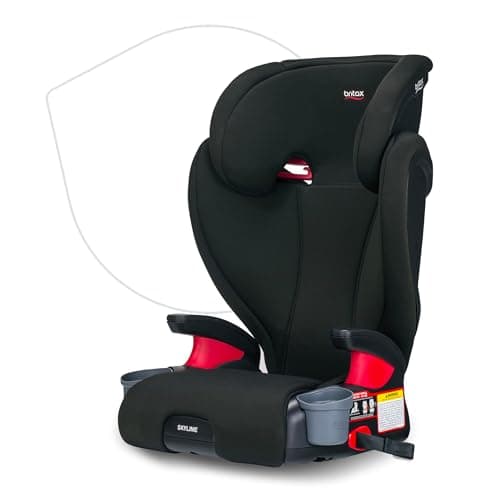
- Have a tall child, or want to buy once? The Britax Skyline 2-Stage is rated to 120 pounds and 63 inches, about six inches taller than most boosters here, with the highest shoulder-belt guide of the group.
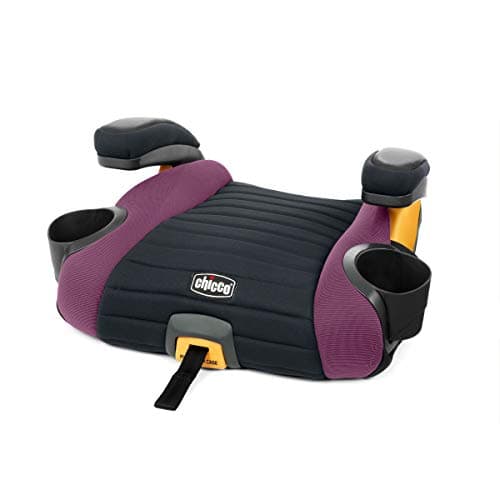
- Ready for backless, and tired of the seat sliding around? The Chicco GoFit Plus is a 6-pound backless booster with quick-release LATCH, so it stays anchored when nobody is sitting in it.
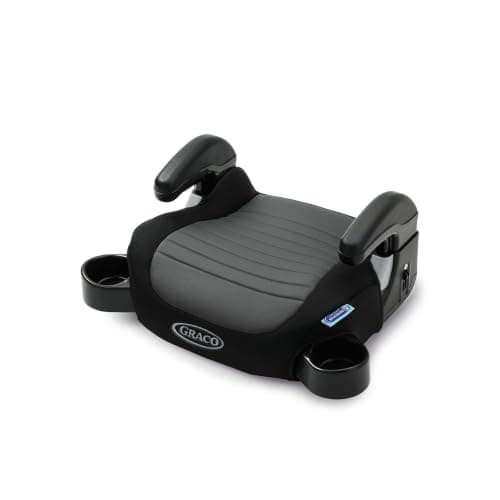
- Need a second seat for the other car or a trip? The Graco TurboBooster 2.0 Backless is cheap enough to buy two, and flat enough to live in a suitcase.
Highback or backless?
This is the real fork in the road, and the honest answer is that most families need both eventually — highback first, backless later. A highback booster brings its own shoulder-belt guide, so it positions the belt correctly regardless of what your car's belt geometry is doing. It adds head support for a child who falls asleep on the drive, and side wings that give a sleeping head somewhere to land. For a newly-graduated four- or five-year-old, a highback is the right starting point.
A backless booster raises the child and routes the lap belt, and that is all. It has no shoulder-belt guide of its own, which means the belt fit depends entirely on your vehicle — and it requires a head restraint behind the child, because there is no headrest on the seat. In exchange it is light, cheap, invisible in the back seat, and easy to move between cars, which is exactly what an older child in a carpool wants. The switch is right when your child is tall enough that the vehicle's own belt already crosses the middle of their shoulder without help, and mature enough to keep it there.
Check your car before you check the reviews
Boosters are unusually car-dependent, because the belt you are positioning belongs to the vehicle, not the seat. Three things are worth looking at before you order anything. First, the head restraint: a backless booster needs support behind your child's head to the top of their ears, so if the seating position you use has no head restraint or a fixed low one, you need a highback. Second, the seat pan and belt anchor points — a deep vehicle seat or a shoulder belt that emerges from far back can push the belt into a poor angle, which a highback booster's guide corrects and a backless one cannot. Third, width, if you are fitting more than one seat across the back. The boosters here range from a narrow, budget highback to a wide premium one, and the narrow one is sometimes the right answer purely because it is the one that fits alongside a sibling's convertible seat. If you can, buy from somewhere with a return window and check the belt fit in your own car on day one.
The five-step test that decides when they are done
Boosters are not outgrown on a birthday. The AAP guidance is that a child stays in one until the vehicle belt fits properly on its own — typically around 4 feet 9 inches tall, and usually somewhere between ages 8 and 12. In practice most children do not fit most vehicle belts without a booster until 10 to 12. The check takes ten seconds in your own car: sit your child all the way back against the seat back, and confirm their knees bend comfortably at the edge of the seat, the lap belt lies low and snug across the tops of the thighs rather than on the stomach, and the shoulder belt crosses the middle of the chest and shoulder rather than the neck or the arm. Then ask the last question, which is the one people skip: can they stay like that for the entire trip? If any answer is no, the booster stays. Note that the answer can differ car to car — a child may pass in a sedan and fail in a truck with a longer seat pan.
Why there is no crash-test scoreboard for boosters
If you go looking for booster ratings the way you might look for car crash-test scores, you will find something confusing: the Insurance Institute for Highway Safety ran well-regarded booster evaluations from 2008 through 2024, awarding "BEST BET" ratings, and then stopped — because by the end almost every booster on the market was earning the top rating. Two things follow from that, and both are useful. First, those ratings measured belt fit, never crash protection; crash protection is what FMVSS 213 certification covers. Second, a "BEST BET" badge you see in a product listing today may be referencing an evaluation that is several years old and is no longer being updated. We do not rank on those badges, and we would treat any site that presents them as current test results with some caution.
LATCH on a booster does something different
Several boosters here have lower anchor connectors, and it is worth being precise about what they do — because it is not what LATCH does on a harnessed seat. On a booster, the vehicle seat belt restrains your child. The lower connectors simply hold the booster itself against the vehicle seat: they stop it sliding away while a child climbs in, and, more importantly, they stop an empty booster becoming a loose object in a crash or a hard stop. That is a genuine benefit, and it is the main practical reason to pay a little more for the Chicco GoFit Plus over the bare Graco backless. But an anchored booster is not a "more restrained" booster, and no lower connector substitutes for a correctly routed belt. Always follow your booster's manual and your vehicle's manual — the two together, not one or the other.
The mistakes worth avoiding
Three keep coming up. The first is graduating early, covered above — the harness years are worth every month you can get. The second is the shoulder belt tucked behind the arm or slipped off the shoulder, which quietly turns a three-point belt into a lap belt; a highback booster with a proper guide, and a habit of glancing back before you pull away, fixes it. The third is a booster used with a lap belt only. A belt-positioning booster requires a lap-and-shoulder belt — it does not work with a lap belt alone, and older vehicles with lap-only center seats simply are not booster positions. Keep your child in the back seat through the booster years and beyond; it remains the safer place to ride.
One last practical note: boosters expire, like every car seat. Britax publishes a ten-year expiration on the Skyline, and other manufacturers print their own date on the shell or in the manual — our guide on how long car seats stay good for explains where to find it and why it matters on a hand-me-down. The quick-picks table below shows a live price for each booster and links straight to its full write-up, honest drawbacks included.