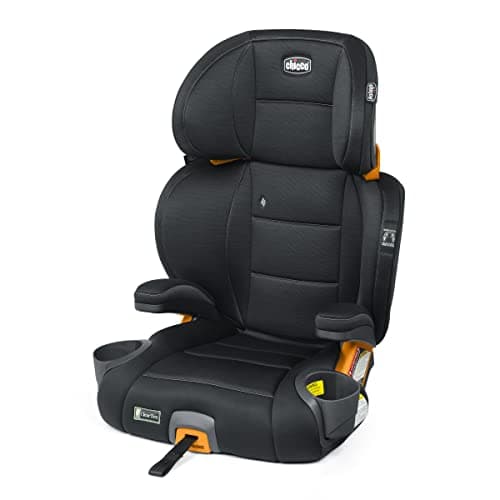
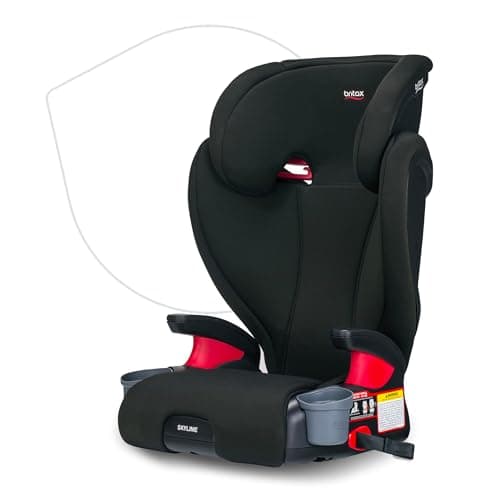
Quick verdict: choose the Britax Skyline 2-Stage if your child is tall for their age or you want one booster to carry them through the whole booster stage, thanks to published limits of 120 lb and 63 inches; choose the Chicco KidFit ClearTex Plusas the all-around value pick, with a premium fabric made without added flame-retardant chemicals and a two-position recline the Britax does not offer. Both are belt-positioning boosters that start highback and convert to backless, both are certified to the same federal standard, and neither is a wrong answer—this comes down to how tall your child is, how long you want the seat to last, and what you want to spend.
We have not strapped either seat into a crash sled ourselves—no editorial site honestly can—so we rank from each seat's published specifications, the federal standard they both meet, and our methodology. If you are still weighing the whole field, our best booster seatsroundup ranks highback and backless picks together; this page is the head-to-head for two seats parents often shortlist side by side. The honest way to read what follows is as a comparison of fit, adjustability, and how long each seat lasts—not a claim that one protects your child better than the other.
What a booster is actually for
Every booster sold in the United States is certified to the same federal standard, FMVSS 213, and both of these seats meet it. Crash certification is a floor both clear, not a scale where one seat is safer than the other—so nothing below is about one booster out-crashing the rival, because the standard does not work that way. A booster's real job is simpler and easy to check: it raises your child so the vehicle's adult seat belt falls in the right place. Done right, the lap belt sits low across the hips and upper thighs—not up on the soft belly—and the shoulder belt crosses the middle of the shoulder and the center of the chest, never sliding onto the neck or off the arm. When you compare these two seats, you are really comparing how reliably each one delivers that belt fit for your particular child in your particular car.
Belt fit and headrest adjustability
Both seats use a 10-position headrest that raises the shoulder-belt guide as your child grows, which is the single most important adjustment on a highback booster: move it up a notch every time the belt starts creeping toward the neck. On paper the two are matched here—ten stops each—but the Britax Skyline is built to keep going taller, with a seated-shoulder-height range published to 21.5 inches in highback mode. That extra reach is what lets it position the belt correctly on an older, longer-torsoed child who would have topped out a shorter seat. The Chicco answers with a two-position backrest recline, a feature the Britax does not have: reclining the shell slightly can help the seat sit flush against a sloped vehicle seat back so your child stays in contact and the belt geometry holds. In short: if your back seat is steeply raked, the Chicco's recline is the practical edge, and if your child is tall, the Britax's range is.
Highback now, backless later
Both seats start as highback boosters and later remove their backrest to become backless boosters, which is the natural arc: the highback shell gives younger children a built-in shoulder-belt guide, head support, and side structure, while the lighter backless base suits an older, taller child who sits well against the vehicle's own head restraint. The difference is in when each seat lets you make that switch. The Chicco KidFit goes backless from 40 lb, the same floor as its highback mode, so you could technically remove the back early—though most children benefit from the highback shell's guidance for a good while yet. The Britax Skyline sets a higher bar for backless use, 48 lb, meaning a child stays in the more supportive highback configuration a bit longer before the backless option opens up. For most families the practical advice is the same for either seat: keep the backrest on as long as your child fits it, because the highback shell holds the shoulder belt in place and helps a drowsy child stay upright.
How long each seat lasts
This is where the two seats separate most clearly. The Chicco KidFit is rated to 100 lb and 57 inches in highback mode, and to 110 lb backless—plenty for most children through much of elementary school, but a very tall child can reach that 57-inch height limit before they are ready to ride with no booster at all. The Britax Skyline pushes the ceiling to 120 lb and 63 inches, roughly half a foot more height to grow into, which is exactly why it is the pick for a child who is tall for their age or for a family that wants to buy one booster and be done. Height limits usually matter more than weight here, because most children reach the height cap before the weight cap—so the Britax's extra six inches is the number to watch. Keep in mind the real finish line is not the seat's limit but your child's size: a child is ready to stop using a booster only when the adult belt fits properly without it, which for many kids is around 4 feet 9 inches tall, and the taller seat simply gives you more room to get there.
Securing the empty booster
An empty booster with nobody in it can slide around the back seat and become a projectile in a crash, so both of these seats can be anchored to the vehicle's lower LATCH anchors when unoccupied. The Chicco uses a quick-release LATCH connection, and the Britax uses quick-push lower connectors—different names, the same job: they clip the base to the car so it stays put between trips and during the chaos of carpool loading. This is a real convenience advantage over bargain boosters that just sit loose on the seat, and it is worth using every time, even though the belt—not the LATCH—is what restrains your child once they are buckled in. Both connectors release without a fight when you need to move the seat to another car.
Fabric and cleanability
Both makers skip added flame-retardant chemicals in the seat cover, which is a genuine plus for a surface your child sits against every day. The Chicco goes a step further on documentation: its ClearTex fabric is paired with GREENGUARD Gold certification, a third-party program that screens products for low chemical emissions, so it is the seat to choose if verified materials are high on your list. The Britax uses its SafeWash cover, which is machine washable—a real quality-of-life feature given how boosters collect crushed crackers and spilled juice over the years. Both covers come off for cleaning and neither relies on added flame retardants. If you want the strongest third-party materials story, that is the Chicco; if you just want to throw the cover in the wash after a rough week, the Britax makes that easy.
Value: which one for which family
The Britax Skyline is the premium seat here and typically the pricier of the two, while the Chicco KidFit sits in the mid-range and is the all-around value pick—live prices show on the cards above, so we will not quote figures that go stale. What you pay up for with the Britax is longevity: the extra height and weight range that can make it the last booster you buy. What you get with the Chicco is a well-rounded seat with a premium, certified fabric and a recline the Britax lacks, at a friendlier price. So the decision is refreshingly simple. Choose the Britax Skyline 2-Stage if your child is tall or you want one seat to last the whole booster stage; choose the Chicco KidFit ClearTex Plus if you want the best all-around value with a chemical-conscious fabric and a recline for sloped seats. For an average-height four- or five-year-old starting the booster years, the Chicco is the easy call; for a big kid or a family playing the long game, the Britax earns its premium.
Whichever seat you pick, the protection comes from the fit, not the brand: a booster only works when the lap belt is low on the hips and the shoulder belt crosses the middle of the chest on every single ride. Move the headrest up as your child grows, keep them in the booster until the adult belt fits without it, and never route the shoulder belt behind the back or under the arm. If you want a quick way to confirm you have it right, run through our car seat safety checklistbefore your next drive—either of these boosters will serve your child well once the belt sits where it should.