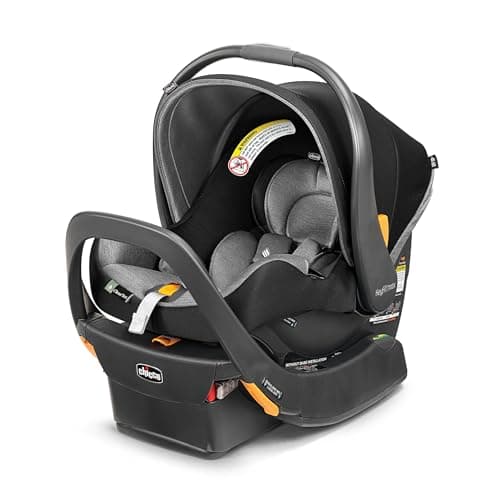
An infant car seat is one of the few baby purchases where getting it right genuinely matters. These are the small, rear-facing-only carriers that click into a base you leave buckled in your car, so you can move a sleeping baby from seat to stroller without waking them. It's the seat nearly every family starts with, and the safest way for a newborn to ride. The reassuring part is that every seat below meets FMVSS 213, the federal crash standard that every car seat sold in the United States must pass — so none of them is "unsafe." The differences that matter are about fit, weight, and, above all, how easily you can install the seat correctly.
That last point is the whole reason for our ranking. Safety agencies consistently find that a large share of car seats are installed or used incorrectly, and a seat that's loose or reclined at the wrong angle can't do its job in a crash. So we weight install ease and clear angle indicators above brand prestige. The American Academy of Pediatrics recommends keeping a child rear-facing until they reach the highest weight or height their seat allows, which is exactly what an infant seat is built for. When your baby outgrows it, you move to a convertible seat and keep riding rear-facing.
What actually makes one infant seat safer than another
Since every seat clears the same federal bar, the real-world safety differences come down to a handful of things. A clear recline-angle indicator and a tight-install system — a lock-off, a load-limiting tightener, or a level bubble — are the features most likely to keep you from the two most common mistakes: a loose base and a wrong recline angle. An anti-rebound bar or a load leg adds crash stability by limiting how far the seat rotates. A higher rear-facing weight limit, say 35 pounds instead of 30, simply lets your baby ride in the safest position for more months. Carrier weight matters too — not for crash performance, but for how likely you are to actually carry the seat correctly instead of straining your back. We weight all of these on our methodology page.
How to choose in one minute
- Want the seat you're least likely to install wrong? The Chicco KeyFit Max, with a bubble level indicator and a single-pull tightener that make a snug install almost automatic.
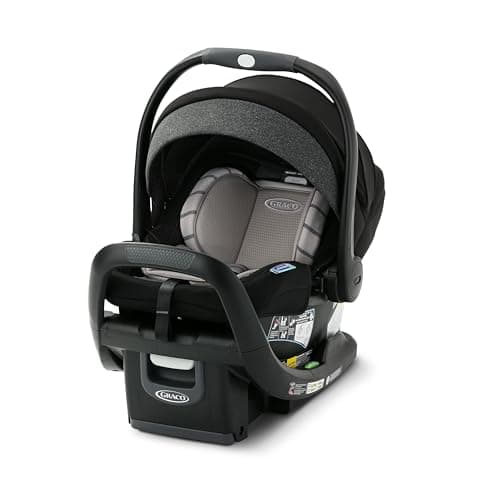
- Want the most seat for a sensible price? The Graco SnugRide SnugFit DLX adds an anti-rebound bar and reaches a 35-pound rear-facing limit, so it lasts longer than most 30-pound carriers.
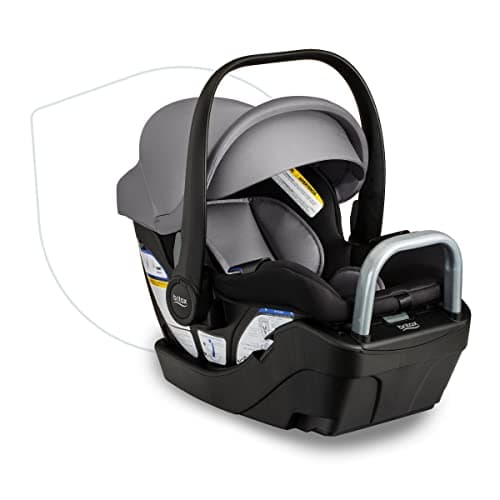
- Reassured by heavy-duty structure? The Britax Willow S is built around a steel frame with layered side-impact protection and a stay-in-car base.
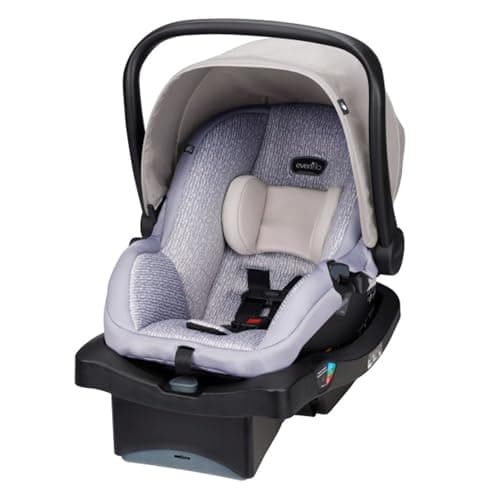
- Lifting the carrier in and out all day? The Evenflo LiteMax is one of the lightest carriers you can buy, which your arms will notice by the tenth trip.
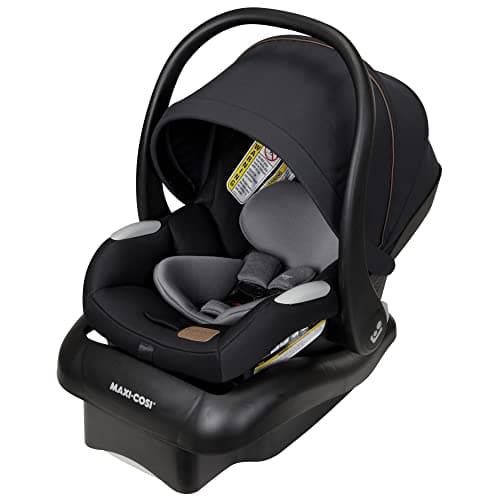
- Care about fabrics and finish? The Maxi-Cosi Mico Luxe pairs the same safety standard with plush, machine-washable padding.
A few practical notes before you buy. Infant seats have an expiration date and a weight and height limit, so a hand-me-down may have less life left than you think — our guide on how long infant car seats are good for walks through both. If you also need a stroller, buying a matched travel systemguarantees the seat and frame click together with no adapter guesswork. And if you're weighing when to turn your child around, start with rear-facing versus forward-facing. If you'd rather skip the carrier and buy a single seat for the whole journey, see our best all-in-one car seats. The quick-picks table below shows a live price for each seat and links to its full write-up.