The right baby monitor depends less on picture quality than on one upfront decision: do you want a monitor that connects to the internet, or one that doesn't? Almost everything else — screen size, number of cameras, battery life, sleep tracking — follows from that choice. We've grouped our six picks so you can start with the approach that fits your home and your comfort level, then compare live prices in the table below.
We haven't wired every one of these into a nursery for a month, and we won't pretend we did. Our ranking comes from the published specs and manuals, the connection type, the battery and range numbers, and current prices — weighted with the rubric on our methodology page. Where a monitor genuinely earns a premium (a second camera in the box, useful sleep insights), we say so; where an inexpensive screen monitor does the whole job, we say that too.
WiFi versus no-WiFi: the one real decision
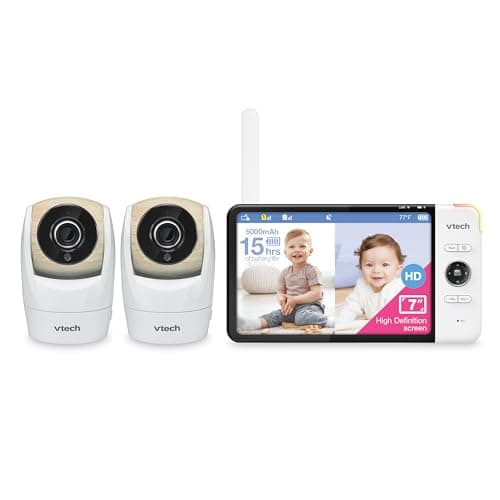
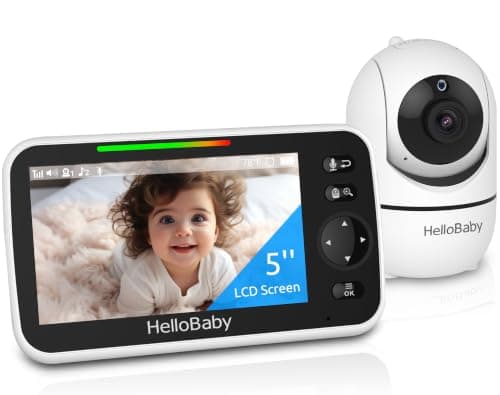
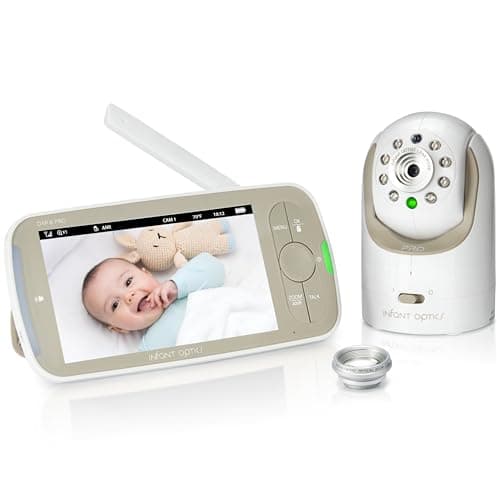
A no-WiFi monitor pairs a camera directly with its own handheld screen over a private radio link. Nothing travels over the internet, so there is no account to breach and no remote access to worry about. The tradeoff is that you can only watch from inside the house, within range. The Infant Optics DXR-8 PRO is our pick here — a 5-inch HD screen with pan, tilt, and zoom plus interchangeable lenses — and the VTech VM919-2HD is the two-room answer, shipping with two cameras and a 7-inch split-screen so you can watch two children at once. The HelloBaby HB6550 covers the same idea for less, with a 5-inch screen and up to 30 hours of battery.
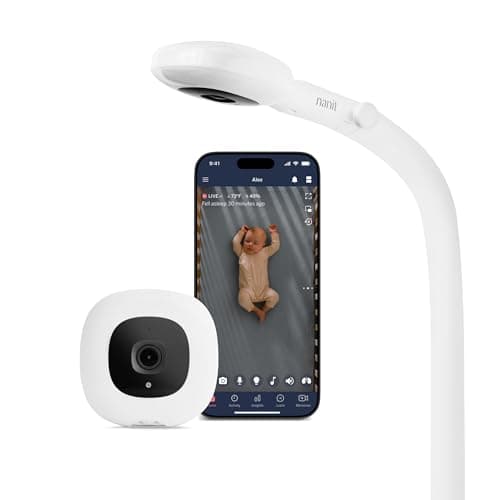
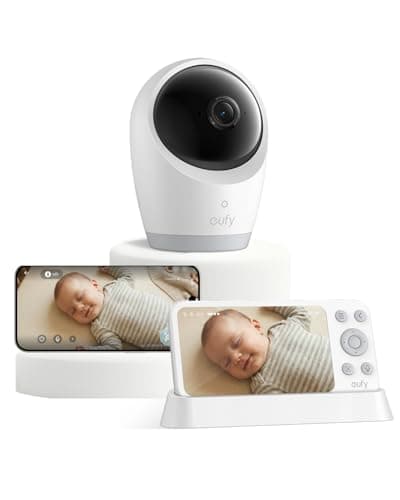
A smart WiFi monitor streams to an app, so you can check the baby from the next room or from another state, get cry and motion alerts on your phone, and — on some models — see sleep trends over time. The Nanit Pro is our smart pick: an overhead 1080p camera with sleep insights and two-way talk. The catch is that anything on the internet has to be secured, and the richest features usually sit behind a subscription. The eufy E21 splits the difference — it runs on a private local screen by default and adds an app only if you want it, which is why we call it the best hybrid.
Privacy and security
The headlines about "hacked baby monitors" almost always involve internet-connected cameras secured with weak or reused passwords. A no-WiFi monitor sidesteps that entirely because it never touches the internet. If you prefer a WiFi camera for the convenience, it can be very safe — but the responsibility shifts to you: use a strong, unique password, turn on two-factor authentication, and keep the firmware updated. It's also worth checking a monitor's recall history before you buy; the CPSC recalls database in our sources below lists any active safety notices for cameras, cords, and clips.
What the Owlet Dream Sock is cleared to do — and what it isn't
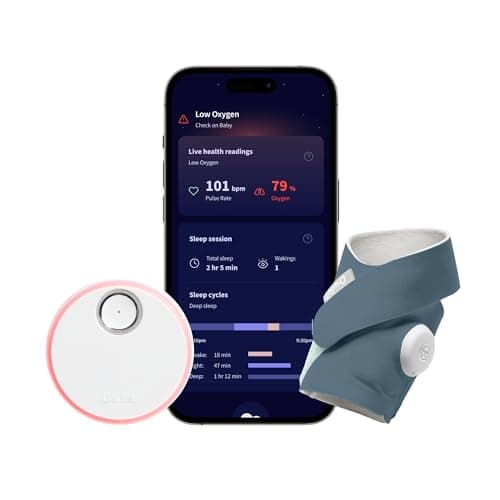
The Owlet Dream Sock is a different kind of product: a wearable sock that reads your baby's pulse rate and oxygen and sends alerts to your phone. For anxious parents it can be genuinely reassuring, and it is worth being precise about its status, because it changed. In November 2023 the FDA granted the Dream Sock a De Novo clearance as an over-the-counter infant pulse rate and oxygen saturation monitor — the readings and the Health Notifications that fire when they leave a preset range were reviewed for accuracy, for healthy infants aged 1 to 18 months and 6 to 30 pounds. That is a real distinction from an uncleared consumer gadget, and we no longer describe it as one.
What the clearance does not cover is the fear most parents are actually buying against. The Dream Sock is not cleared to detect, predict, or prevent SIDS, and it is nota substitute for safe-sleep practices — the American Academy of Pediatrics still advises against relying on home vitals monitors to reduce sleep-related risk. Whatever monitor you choose, the sleep basics don't change: put the baby on their back, on a firm, flat surface, in a bare crib or bassinet. A tracker can add peace of mind on top of safe sleep; it can never replace it.
Want to go deeper on one approach? We break each side down in our best WiFi baby monitors and best no-WiFi baby monitorsroundups. If you're still deciding whether you need a monitor at all, start with our guide on whether a baby monitor is worth it, or compare the two smart approaches head-to-head in Nanit versus Owlet. The quick-picks table below shows a live price for each monitor and links to the full write-up.