Every seat here meets the same federal crash standard as a $500 one. What the $200 line really decides is which stage you can buy - and there is a hole in this band worth knowing about before you spend.
Disclosure:Swaddle & Stroll is reader-supported. When you buy through links on this page we may earn an affiliate commission, at no extra cost to you. It never changes our picks. How this works.
The verdict: if you need one seat and you have under $200, buy the Safety 1st Grow and Go All-in-One. It is the only pick on this page that rear-faces at all, which makes it the only one that can be a baby’s first seat and still be in the car five years later. If you specifically want an infant carrier— the kind that clicks out of a base and into a stroller — the Evenflo LiteMax 30 is the light, cheap, sensible answer, and the Maxi-Cosi Mico Luxe is the one to buy instead if you care how the fabric feels. For a child already past the harness years, the Chicco KidFit ClearTex Plus is the best highback booster in the band and the Britax Skyline 2-Stage is the one to buy for a tall child. The budget pick is the Graco TurboBooster 2.0 Backless: the cheapest seat here by a wide margin, and the right answer for a second car, a grandparent’s car, or a suitcase.
Where the $200 line sits today. 7 of the 7 picks with a live price were under $200 when we last checked, as of November 21, 2026. Prices move daily, so check the number on each card — it is pulled live from Amazon and carries its own date.
One disclosure before anything else, in keeping with how we pick: we have not crash-tested these seats, and nobody selling you a seat at this price has either. Crash testing to the federal standard is done by the manufacturer and audited by NHTSA, and what we can tell you honestly is what the labels, the manuals and the federal rules say — which, in this price band, turns out to be the whole story. Every figure below is a published limit from the maker or the listing, and every price comes from a live Amazon check, dated on the card.
What the $200 line does not buy you less of: safety certification
This is the first thing to get straight, because the anxiety in this search is almost always misplaced. Every car seat sold in the United States must be certified to FMVSS 213, the federal motor vehicle safety standard for child restraint systems. That is not a marketing tier or a premium feature. It is a legal requirement, and the cheapest seat on this page carries it exactly as the most expensive seat we sell does. A seat that did not meet it could not be sold.
So what does the extra money buy on a $400 seat? Convenience hardware and fit range, in that order. Easier installs, deeper side wings, longer rear-facing limits, better fabrics, rotating bases. Those are real and some of them matter a great deal — we say which, below. What they are not is the difference between a certified seat and an uncertified one, because there is no such thing on sale.
There is one live wrinkle worth knowing, and it cuts in the budget buyer’s favor right now. FMVSS 213a, the separate federal standard that adds a side-impact test for seats rated for children up to 40 lb and 43 inches, is not yet mandatory: NHTSA moved the compliance date for 213a and 213b from June 30, 2025 to December 5, 2026. Until that date arrives, the required test program is the same for a cheap seat and an expensive one, and a maker who advertises “side-impact protection” today is describing their own engineering rather than a federal pass mark. Deeper side wings are still worth having. They are just not yet a thing the law makes anybody prove.
The hole in this band: almost nothing here rear-faces
Here is the finding that should change how you shop. We checked every car seat in our registry against live Amazon prices on 21 November 2026 and found ten under $200. Exactly one of them rear-faces a child past the infant-carrier stage. That is the Safety 1st Grow and Go All-in-One, at a published 5–40 lb rear-facing. The two infant carriers here stop at 30 lb, which most babies reach somewhere around their first birthday to eighteen months. Everything else in the band — harness boosters, highback boosters, backless boosters — is forward-facing only.
That matters because rear-facing is the single most protective thing a car seat does for a small child, and the American Academy of Pediatrics advises keeping a child rear-facing as long as the seat allows. The seats with genuinely long rear-facing limits — 50 lb rear-facing, extended-leg-room shells, rotating bases that let you load a rear-facing toddler without a yoga pose — all live above this line. Our best extended rear-facing car seats page is where those are, and if your child is under two and you can stretch, that is where the money goes furthest.
The practical upshot: under $200, your child’s current age decides the answer more than your preferences do. Newborn, and you want a carrier? LiteMax or Mico. Newborn, and you want one seat for years? Grow and Go. Two to four, out of the infant seat? Grow and Go or the Tranzitions. Four and up, out of a harness? One of the three boosters. Buying across stages is the only way to waste money here.
Two rule changes that explain the odd numbers on these labels
If you have looked at a few of these seats you may have noticed harness ranges that start at strange places — 26.5 lb on the Graco Tranzitions, 30 lb on several others. That is not a quirk of design. In December 2023 NHTSA finalized a labeling amendment to FMVSS 213 requiring that forward-facing harness use be labeled for children of at least 12 kg, which is 26.5 lb, with compliance from June 30, 2025. Any seat printed after that date carries the new floor, which is why a “3-in-1” bought in 2026 may not legally start its harness mode as early as the same model did in 2021. If your child is small for their age, read the label on the box and not the review.
The second one is older and catches more families. Since a 2014 NHTSA rule, seats are labeled with a lower-anchor weight limit: child plus seat not to exceed 65 lb on the LATCH lower anchors.Past that, the seat installs with the vehicle seat belt instead — which is just as safe and routinely surprises people who assume LATCH is the upgrade. On a forward-facing harnessed child you also use the top tether, every time, regardless of which install you chose. These are the two sentences in the manual that nobody reads and everybody needs.
How we ranked them
Five weighted axes, applied to every seat below. Years per dollaris the axis that decides this page: a seat that covers two stages at the bottom of the band beats a seat that covers one at the top of it, and the published weight and height limits are how we measure that rather than the marketing “3-in-1” count. Install easepenalizes what the band genuinely lacks — nothing here has a one-dial belt tensioner or a ClickTight-style door, so we scored how forgiving each belt path is without one. Fit adjustability is no-rethread harnesses and headrest positions on the harnessed seats, and shoulder-belt guide range on the boosters, because belt fit is what a booster is for. Fabric and upkeep covers machine-washable pads and, where the maker publishes it, fabric made without added flame-retardant chemicals. Value is what the seat delivers against what it costs inside this band, not against the whole market.
We did not score crash performance, because we cannot: we do not run a sled, and we will not launder someone else’s test program into a number of our own. What we did instead is read the labels and the federal rules, which is the part most pages skip.
Who each seat is for
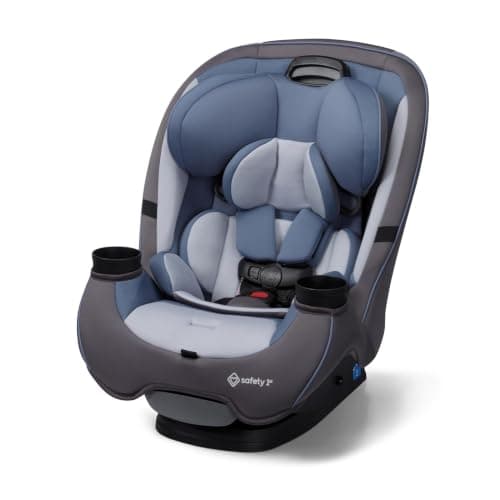
Buy the Safety 1st Grow and Go All-in-One if you want one seat to do the whole job. Rear-facing 5–40 lb, forward-facing harness to 65 lb, then a highback booster to 100 lb, at about 13 lb of seat — light enough to move between cars, which an all-in-one usually is not. Two honest cautions: there is no backless booster mode, so the last stage still needs a cheap backless seat later, and the install is a plain belt-or-LATCH affair with no tensioner, so getting it tight takes your body weight and a minute of patience. For how it compares with the dedicated convertibles above this band, see best convertible car seats.
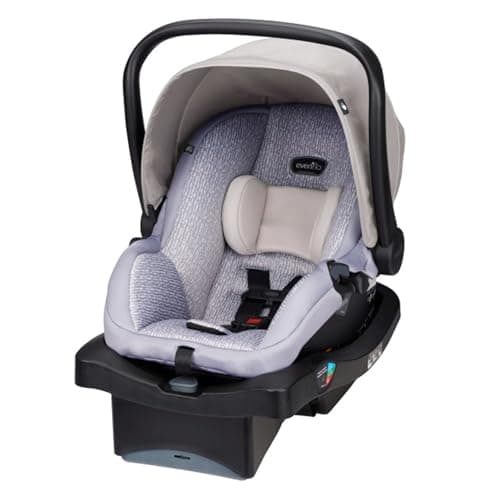
Buy the Evenflo LiteMax 30 if you are having a baby and you want the carrier. At about 6 lb it is one of the lightest infant seats sold, and that is not a spec sheet detail — it is the difference between a manageable supermarket trip and a sore shoulder, ten times a day. The honest con is the 30 lb rear-facing ceiling, lower than rivals that go to 35, which shortens the carrier stage by a few months. If you want the carrier to pair with a stroller, check will my car seat fit my stroller first, and Chicco KeyFit vs Evenflo LiteMax for the head-to-head against the seat most people compare it with.
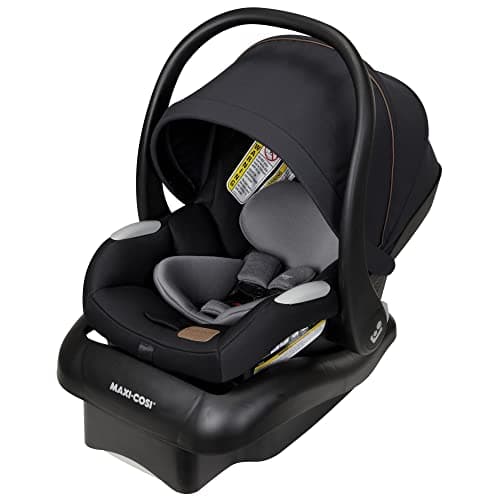
Buy the Maxi-Cosi Mico Luxe if the LiteMax feels too spartan. Same 30 lb rear-facing ceiling, noticeably better fabrics and padding, an easy-off washable cover and a clear level indicator for the recline angle. It costs more and weighs more for the same fit range, which is why it is not the top infant pick — but a cover you can strip and wash without a fight is worth real money in the first year.
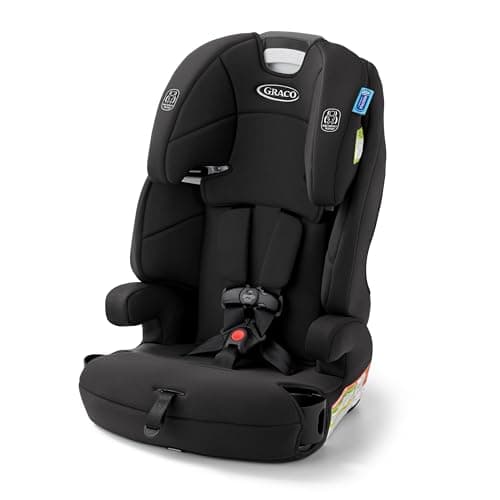
Buy the Graco Tranzitions 3-in-1 if your child is out of an infant seat and you want the most seat-years the band can give you. Harness from 26.5 to 65 lb, then highback booster, then backless booster, all to 100 lb — and at 14 lb it is the lightest three-mode seat we carry, which makes it the carpool and grandparent seat as well. The real cons: no recline at all, so it sits at whatever angle your vehicle seat gives it, and no belt lock-off, so a vehicle-belt install needs patience. More context on best harness booster seats.
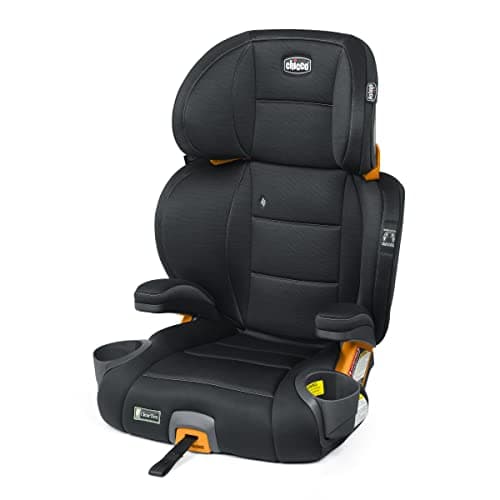
Buy the Chicco KidFit ClearTex Plus if your child is four or older and genuinely past a harness. Ten headrest positions keep the shoulder belt centered as they grow, the backrest reclines two positions to match a sloped vehicle seat, the backrest comes off later for backless use, and the ClearTex fabric is made without added flame-retardant chemicals and carries GREENGUARD Gold. Its honest limits: a 57-inch height ceiling that a very tall eight-year-old will meet early, and more bulk than a backless seat if you swap cars constantly.
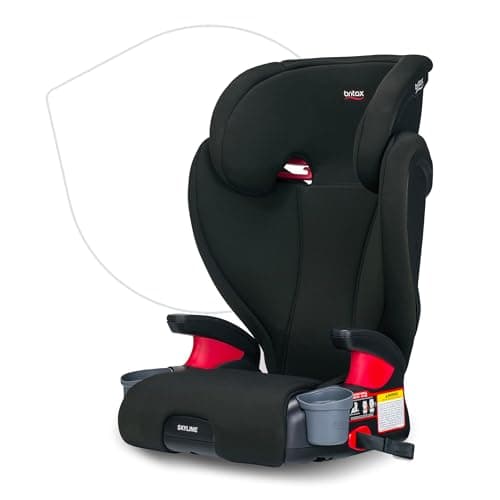
Buy the Britax Skyline 2-Stage if your child is tall for their age or you want one booster to last the entire booster stage. Published limits of 120 lb and 63 inches outlast most boosters by about six inches, with a 10-position headrest and a genuinely tall shoulder-belt range behind it. Cons: no backrest recline, so it can sit proud of a steeply raked vehicle seat; it is the heaviest booster here; and Amazon colorway stock moves around. See Chicco KidFit vs Britax Skyline for the direct comparison with the pick above.
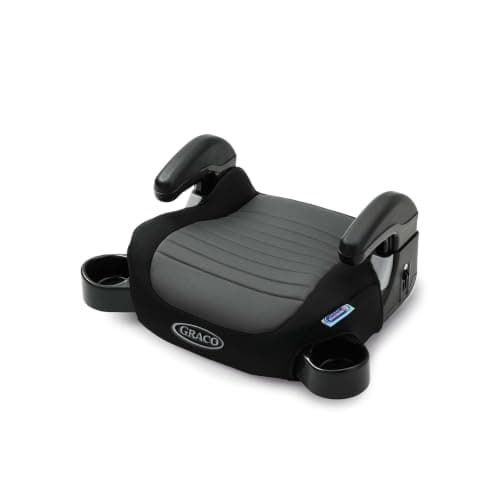
Buy the Graco TurboBooster 2.0 Backless as a second seat, not a first one. It is the cheapest thing on this page and it does one job well: lift a child who has genuinely outgrown a harness so the lap belt sits low across the thighs, with height-adjustable armrests to help. What it does not have is a backrest, a shoulder-belt guide, or any LATCH connector, so it slides around the back seat when empty and it needs a vehicle head restraint behind the child. Buy it for the grandparents’ car and the holiday suitcase; buy a highback for the car your child rides in daily.
Three seats that were close, and why they are not cards
The Graco TurboBooster 2.0 Highbackis the value answer if the KidFit is more booster than you want — open-loop belt guides a child can thread themselves, height-adjustable head support, and a backrest that removes later. It sits on our best booster seatspage instead, because between the two the KidFit’s recline and fabric chemistry win on a seat a child will sit in for years. The Chicco GoFit Plusis the backless booster to buy if the TurboBooster’s sliding bothers you: quick-release LATCH holds it on the seat between trips, at 6 lb with a contoured base. And the Evenflo Maestro Sportwould have been the cheapest harness booster here, but our live check on 21 November 2026 returned “Only 3 left in stock (more on the way),” and we do not card a pick on stock that thin. It is a good seat with a short harness stage — the harness stops at 50 lb, well before the Tranzitions’ 65 — and it is covered on the harness booster page.
When to spend more than $200
We would rather send you up a tier than sell you the wrong seat, so here are the four cases where the band genuinely runs out. Extended rear-facing: if you want to keep a toddler rear-facing to 45 or 50 lb, nothing here does it, and the seats that do start just above this line. A rotating seat:if loading a rear-facing child into a two-door or a tall truck is your daily problem, a seat that spins to face the door solves it and no budget seat does — see best rotating car seats. A foolproof install: if you will move the seat between cars often, a ClickTight-style mechanism removes the part of the job people get wrong. Three across:if you need three seats on one bench, width is the spec that decides it, and that is a different shortlist — best car seats for small cars.
If none of those four is you, stop reading and buy from this page. The band is weak at the rear-facing end and completely adequate everywhere else, and the money you save is better spent on a stroller, or on the consumables you will genuinely burn through — see best baby wipes, where the spread between the cheapest and dearest option is about threefold per wipe — than on side wings nobody is yet required to prove.
Quick picks at a glance
#
Product
Best for
Score
Price
1
Safety 1st Grow and Go All-in-One
A light, no-fuss all-in-one that carries a child from rear-facing to a highback booster for a budget price — the sensible-money choice that still meets the same federal standard.
Best overall under $200: the only pick here that rear-faces
A 14-pound three-mode seat that does the Nautilus's job at a lower price and roughly two-thirds the weight — the harness booster for carpools, grandparents, and the second car.
Best harness booster, and the longest-serving seat in the band
A highback booster that removes its own backrest to become a backless one — with 10 headrest positions, a two-position recline, and fabric made without added flame-retardant chemicals.
Published limits of 120 lb and 63 inches — the seat to buy if your child is tall for their age or you want one booster to last the whole booster stage.
A light, no-fuss all-in-one that carries a child from rear-facing to a highback booster for a budget price — the sensible-money choice that still meets the same federal standard.
Rear-facing
5–40 lb
Forward-facing / booster
FF harness 30–65 lb; highback booster 40–100 lb
Standard
FMVSS 213 certified
Install
LATCH or vehicle belt; no-rethread harness
What we like
One of the lightest all-in-ones here at about 13 lb, so it is easier to move if you must
No-rethread harness and headrest adjust together in one motion
Machine-washable, dryer-safe seat pad
Worth noting
Covers three stages — rear-facing, forward-facing, and a highback booster, but no backless mode
Basic padding and a standard belt/LATCH install without a foolproof one-dial tensioner
A 14-pound three-mode seat that does the Nautilus's job at a lower price and roughly two-thirds the weight — the harness booster for carpools, grandparents, and the second car.
Harness mode
26.5–65 lb; up to 49 in
Booster modes
Highback and backless, both 40–100 lb; 43–57 in
Harness / headrest
8-position, no-rethread (Simply Safe Adjust)
Seat weight
14 lb
Standard
FMVSS 213 certified
What we like
Lightest three-mode seat on this page — easy to move between vehicles
Harness, highback booster, and backless booster from one purchase
No-rethread harness and headrest with 8 positions
Machine-washable pad, body insert, and harness covers; two removable cup holders
Worth noting
No recline — it sits at whatever angle your vehicle seat gives it
Backless mode stops at 100 lb, not the Nautilus's 120
Thinner padding and a shallower shell than the heavier seats here
No belt lock-off or tensioner; a tight vehicle-belt install takes body weight and patience
A highback booster that removes its own backrest to become a backless one — with 10 headrest positions, a two-position recline, and fabric made without added flame-retardant chemicals.
Highback mode
40–100 lb
Backless mode
40–110 lb
Height / age
44–57 in; at least 4 years
Standard
FMVSS 213 certified
Extra
ClearTex (no added FR chemicals), GREENGUARD Gold
What we like
Covers both booster stages — highback now, backless later, one purchase
10-position DuoGuard headrest keeps the shoulder belt centered as the child grows
Published limits of 120 lb and 63 inches — the seat to buy if your child is tall for their age or you want one booster to last the whole booster stage.
The cheapest seat here by some distance, and the sensible answer for the second car, the grandparents' car, or the one that lives in a suitcase.
Weight
40–100 lb
Height / age
Up to 57 in; at least 4 years
Mode
Backless only
Standard
FMVSS 213 certified
Extra
Height-adjustable armrests, hide-away cup holders
What we like
Lowest price of any pick here — cheap enough to buy two
Light and flat, so it travels and stores easily
Height-adjustable armrests help set the lap belt low on the thighs
Hide-away cup holders tuck in to fit narrow back seats
Worth noting
No LATCH connectors — it slides around the seat when unoccupied
No head or torso support, and no shoulder-belt guide
Needs a vehicle head restraint behind the child
100 lb / 57 in limits are the lowest in this group
How it scored
Safety-standard compliance9.4
Belt-fit adjustability7.6
Portability9.4
Value9.8
Frequently asked questions
What is the best car seat under $200?+
The Safety 1st Grow and Go All-in-One, for most buyers. It is the only pick in this price band that rear-faces past the infant-carrier stage — a published 5–40 lb rear-facing, then a forward-facing harness to 65 lb, then a highback booster to 100 lb — and at roughly 13 lb it is light enough to move between cars. If you want an infant carrier instead, the Evenflo LiteMax 30 is the light, cheap answer and the Maxi-Cosi Mico Luxe is the nicer-finished one. For a child past the harness years, buy the Chicco KidFit ClearTex Plus, or the Britax Skyline 2-Stage if your child is tall.
Are cheap car seats as safe as expensive ones?+
They are held to the same federal standard. Every car seat sold in the United States must be certified to FMVSS 213, the federal motor vehicle safety standard for child restraint systems — that is a legal requirement, not a premium tier, and a seat that failed it could not be sold. What more money buys is convenience hardware and fit range: easier installs, deeper side wings, longer rear-facing limits, rotating bases, better fabrics. Those are real, but they are not the difference between a certified seat and an uncertified one. The much bigger safety variable is whether the seat is installed tightly, which is free.
Can I get a convertible car seat under $200?+
One, and it is an all-in-one rather than a dedicated convertible: the Safety 1st Grow and Go All-in-One, published at 5–40 lb rear-facing. When we checked every car seat in our registry against live Amazon prices on 21 November 2026, ten were under $200 and that was the only one that rear-faces beyond the infant-carrier stage. If you want a long rear-facing limit — 45 or 50 lb — the seats that do it start just above this band, and our best extended rear-facing car seats page covers them.
Why does my new car seat say the harness starts at 26.5 lb?+
Because of a 2023 federal labeling rule. NHTSA finalized an amendment to FMVSS 213 requiring forward-facing harness use to be labeled for children of at least 12 kg — 26.5 lb — with compliance from June 30, 2025. Seats printed after that date carry the new floor, so a 3-in-1 bought today may not start its harness mode as early as the same model did a few years ago. Read the label on the seat you actually own; it governs, not a review.
Does a cheaper car seat have side-impact protection?+
Some makers engineer for it, but right now no seat is federally required to prove it. FMVSS 213a, the separate standard that adds a side-impact test for seats rated for children up to 40 lb and 43 inches, has had its compliance date moved by NHTSA from June 30, 2025 to December 5, 2026. Until then the required test program is the same for a cheap seat and an expensive one, and 'side-impact protection' on a box describes the maker's own design rather than a federal pass mark. Deeper side wings are still worth having — they are just not yet something anyone has to demonstrate.
Is LATCH safer than the seat belt?+
No — a tight install is what matters, and either method can give you one. LATCH is usually easier to get right, which is a genuine advantage. But since a 2014 NHTSA rule, seats carry a lower-anchor weight limit: the child plus the seat must not exceed 65 lb on the LATCH lower anchors. Past that you switch to the vehicle seat belt, which is just as safe. On any forward-facing harnessed child, use the top tether as well, whichever install you chose.
What is the cheapest car seat worth buying?+
The Graco TurboBooster 2.0 Backless, with one condition: only for a child who has genuinely outgrown a harness, which generally means at least four years old and at least 40 lb. It does the one job a backless booster exists to do — lift the child so the lap belt sits low across the thighs — with height-adjustable armrests to help, and it is cheap enough to buy two. What it lacks is a backrest, a shoulder-belt guide and any LATCH connector, so it slides around when empty and needs a vehicle head restraint behind the child. Treat it as the second-car seat, not the daily one.
Should I buy a used car seat to save money?+
Not unless you know its full history, and that is the one place budget shopping genuinely backfires. A seat that has been in a crash may have damage you cannot see, and every seat has an expiration date stamped on the shell after which the plastic and webbing are no longer trusted. You also inherit no recall notification, because the registration card went to someone else. The cheapest new seat on this page costs less than a tank of gas — buy that instead. Our used car seat guide and expiration dates guide go through the specifics.