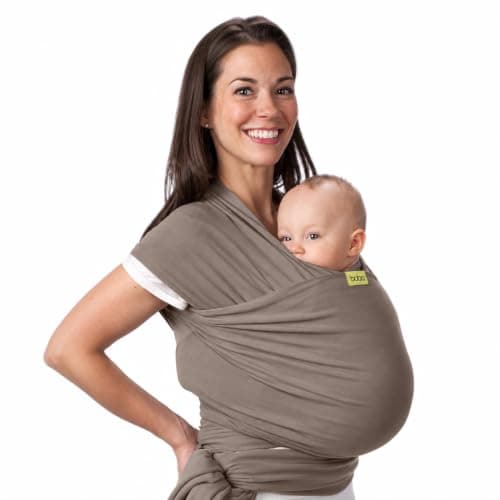
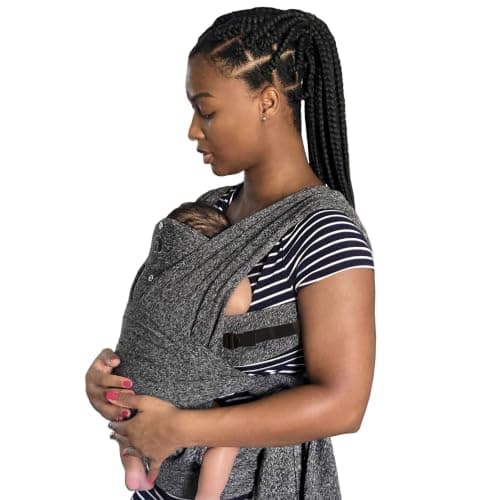
A wrap fits a newborn better than any buckle carrier and costs a fraction as much. A structured carrier lasts four times as long. Most families genuinely need both — in that order.
Disclosure:Swaddle & Stroll is reader-supported. When you buy through links on this page we may earn an affiliate commission, at no extra cost to you. It never changes our picks. How this works.
Start with a stretchy wrap and add a structured carrier at around four to five months. A wrap moulds to a newborn in a way no buckle carrier manages, needs no insert, and costs about as much as a takeaway dinner — but it sags under a bigger baby, and its maker's own guidance is usually that it works best up to around 20 pounds. A structured carrier is rated to 45 pounds, does front, hip and back carries, and is the one you will still be using at two years old. If you can only buy one and the baby is already here and thriving, buy the structured carrier.
This page decides between the two types. If you have already settled on a type and want the specification walkthrough — weight ranges, panel widths, lumbar support, fabric — that is how to choose a baby carrier, and we have kept the two pages from overlapping on purpose.
The honest case for each
A stretchy wrapis one long piece of jersey or French terry — about 5.5 yards — that you tie once and then slip the baby in and out of. The fit is the selling point: because there is no panel and no structure, it conforms to a 7-pound body with no gaps, which is exactly what a newborn needs and exactly what buckle carriers struggle with. One size fits every adult, which means two parents of very different sizes share one wrap with no adjustment.
Its limits are real. The stretch that makes it comfortable at 8 pounds becomes sag at 20, and most wrap makers say so themselves. Cotton French terry is warm — in a humid summer you will both feel it. And there is a learning curve: expect about a week of feeling clumsy before the tying becomes automatic.
A soft structured carrieris a padded panel with buckles and a waistband that transfers the weight to your hips. It takes thirty seconds to learn, it does front inward, front outward, hip and back carries, and the good ones are rated 7 to 45 pounds without an insert — which covers newborn to preschooler on one purchase.
Its limits: it costs several times what a wrap does, there are more buckles and straps to learn than the marketing admits, and each parent usually needs to re-adjust the straps when they take it over. Both parents can use one, but not without a thirty-second re-adjustment every handover.
What to look for — before you pick a type at all
Positioning, which is the only non-negotiable.The baby should sit in a deep squat with their knees higher than their bottom — the “M” shape — with their thighs supported to the knee, not dangling from the crotch. The International Hip Dysplasia Institute certifies carriers that support this, and the certification is worth looking for on either type.
Airway, every time you put them in.A newborn's chin must be off their chest, their face visible, and their nose and mouth clear of fabric and of your body. This is the single most important thing on this page and it applies equally to both types.
The weight ceiling. A wrap that tops out near 20 pounds in practice lasts roughly five to seven months. A structured carrier at 45 pounds lasts two years or more. Divide the price by the months and the structured carrier usually wins on cost per use even though it costs more today.
Climate. A cotton wrap in August is a decision you will regret by lunchtime. Mesh structured carriers exist specifically for this; so do lighter wrap fabrics.
Who else will wear it. One wrap fits everyone with no adjustment. One structured carrier fits everyone with adjustment. If handovers happen constantly, that difference is larger than it sounds.
Which to buy
Mapped onto the five questions above, here is what the three options below are for.
The Boba Wrapif you are buying for a newborn and want the best possible fit for the least money. 7 to 35 pounds on paper, best to about 20 by Boba's own guidance, 95 percent French terry cotton with 5 percent spandex, certified Hip Healthy by the IHDI, machine washable and dryer friendly. Accept the week of clumsy tying and the warmth of the fabric.
The Ergobaby Omni Breeze if you are buying one carrier for the whole run. All four carry positions, 7 to 45 pounds with no insert needed, full-body breathable mesh for hot weather, and a padded lumbar waistband that is the difference between a twenty-minute walk and an hour. It is the priciest of the three and has more buckles to learn.
The Boppy ComfyFit if you want the wrap feel without the wrapping. It is a hybrid: stretchy body-hugging fabric with buckles, front inward and front outward, 8 to 35 pounds. The honest trade-off is that 35 pounds is a lower ceiling than the Ergobaby and there is no back or hip carry, so it is a middle option rather than a lasting one.
The default stretchy wrap: one long piece of French terry that molds to a newborn better than any buckle carrier, for about the price of a nice takeout dinner.
Weight range
7–35 lb (Boba: works best to 20 lb)
Fabric
95% French terry cotton / 5% spandex
Length
About 5.5 yards, one size
Hips
Certified Hip Healthy by the IHDI
What we like
Newborn-ready from 7 lb with no insert to buy
Real stretch, so you pre-tie once and pop the baby in and out
Machine washable and dryer friendly
Worth noting
Boba's own guidance is that it works best to 20 lb — it sags under a big baby
French terry cotton is the warmest fabric here
Tying it takes practice; expect a week of feeling clumsy
All four carry positions, a breathable mesh that keeps you both cool, and lumbar support that makes long walks bearable — usable from newborn to toddler without an insert.
The snug, body-hugging feel of a wrap with the buckle-on ease of a structured carrier — a soft, beginner-friendly middle ground.
Positions
Front inward, front outward
Weight range
8–35 lb
Type
Hybrid wrap/structured
Fabric
Soft, stretchy blend
What we like
Wrap-like closeness without the wrapping
Soft and lightweight
Affordable
Worth noting
Lower 35 lb ceiling
No back-carry or hip position
How it scored
Comfort & support8.6
Versatility7.8
Ease of use9.2
Value9.0
Frequently asked questions
Is a wrap or a structured carrier better for a newborn?+
A wrap, on fit. With no panel and no structure it conforms to a 7 lb body with no gaps, which is what a newborn needs and what buckle carriers struggle with, and it needs no insert. The caveat is longevity: a stretchy wrap sags under a bigger baby and most makers say it works best to around 20 lb, so it is a five-to-seven-month product.
How long does a stretchy wrap last?+
Roughly five to seven months in practice. The printed range is often 7 to 35 lb, but the stretch that makes a wrap comfortable with a newborn becomes sag with a heavier baby — Boba's own guidance is that its wrap works best up to about 20 lb. That is usually the point families move to a structured carrier.
Can two parents of different sizes share one carrier?+
A wrap, yes, with no adjustment at all — it is one long piece of fabric and one size genuinely fits everyone. A structured carrier, yes, but each wearer needs to re-adjust the straps on handover, which takes about thirty seconds. If handovers happen constantly, that difference matters more than it sounds.
Do I need both a wrap and a structured carrier?+
Many families do, in that order, and it is not wasteful: a wrap costs a fraction of a carrier and covers the stage a carrier fits worst. If you only want to buy once, buy the structured carrier — the good ones are rated 7 to 45 lb without an insert and will fit a newborn adequately, just not as well as a wrap does.
What is the correct position for a baby in a carrier?+
A deep squat with the knees higher than the bottom — the 'M' shape — with the thighs supported all the way to the knee rather than dangling from the crotch. The International Hip Dysplasia Institute certifies carriers that support this. Equally important every time: the chin off the chest, the face visible, and the nose and mouth clear of fabric and of your body.