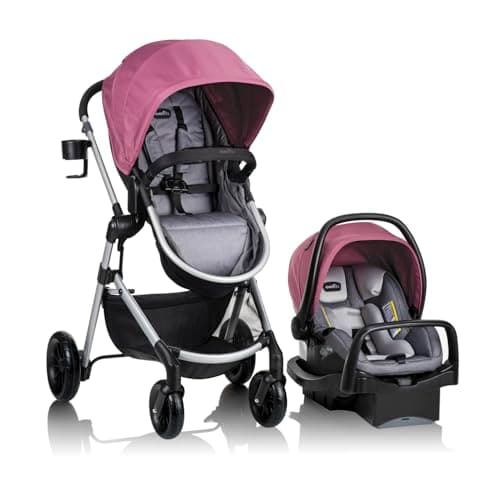
A travel system bundles a stroller with a matching infant car seat and base, so the seat clicks from the car straight onto the frame without waking the baby. It is the simplest way to be ready for a newborn on day one, and buying the pair together is normally cheaper than buying a comparable stroller and infant seat separately. This page is about doing that on a real budget — which, for most families, means somewhere between roughly $200 and $400 rather than the $500-plus the flagship systems ask.
The good news is that the safety-critical half of the bundle is not where the savings come from. Every infant car seat here, in every system on this page, is certified to FMVSS 213, the federal crash standard every child restraint sold in the United States must meet, and the strollers are all built to the federal carriage and stroller standard. A cheap travel system is not an unsafe travel system. What a lower price actually buys you is a shorter list of conveniences and, in a couple of cases, an infant seat you will outgrow sooner. Knowing which corners were cut is the entire skill here.
The one spec that decides most of this
Look at the infant seat's rear-facing weight limit before anything else. It is the difference between a seat that carries an average baby comfortably past their first birthday and one that is done several months earlier.
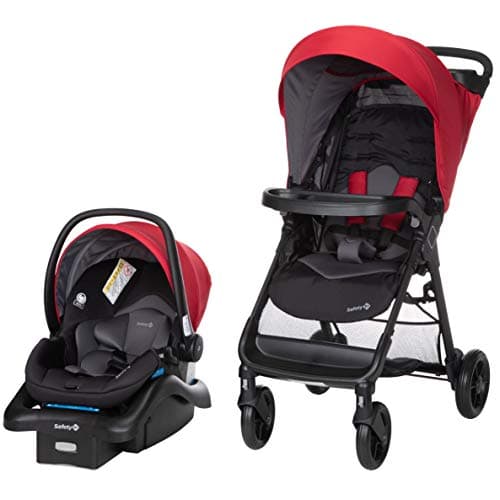
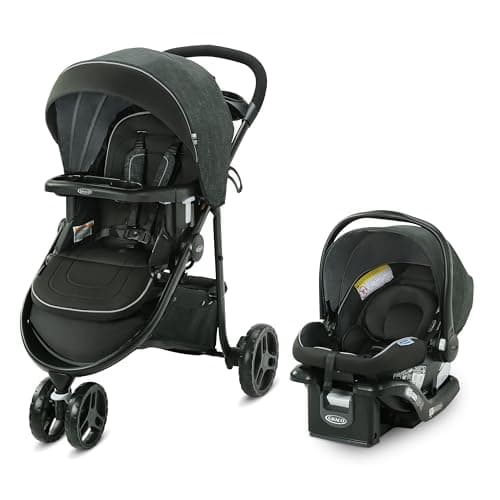
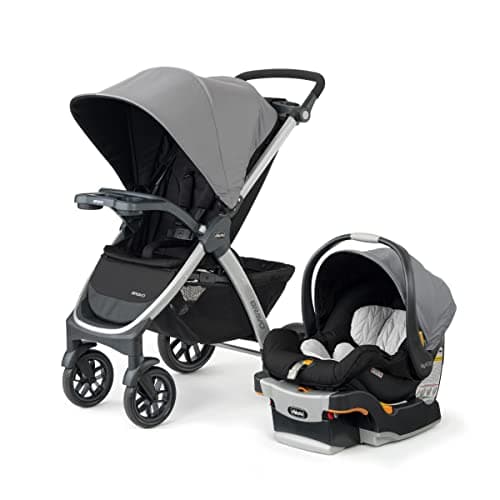
Systems built around a 35-pound seat — the Evenflo Pivot with its LiteMax, and the Graco Modes 3 Lite DLX with a SnugRide — buy you the most months. Systems built around a 30-poundseat, including the Chicco Bravo Trio's KeyFit 30 and the Safety 1st Smooth Ride's OnBoard FLX, will hand you a bill for a convertible seat sooner. That is not a safety problem — you move up when the seat is outgrown either way — but it is a real cost that does not appear on the box, and it can quietly erase the saving on a very cheap system.
What you genuinely give up under about $300
- Fabric and padding. Budget systems use thinner, flatter seat pads and simpler canopies. It is the most visible cut and the least important one.
- Fold size and weight. Cheaper frames fold bulkier and heavier, and fewer of them stand up on their own. If you have a small boot or a walk-up flat, weigh this heavily — it is the cut most likely to make you resent the stroller.
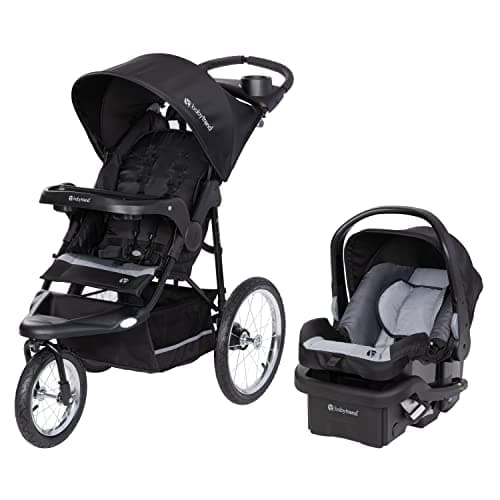
- Ride quality. Smaller wheels and simpler suspension mean more of the pavement reaches the baby. The Baby Trend Expedition is the exception here, because a jogger frame with pneumatic tyres rides better than most budget full-size strollers.
- Install aids on the seat. The premium systems bundle seats with lock-offs and level indicators. The budget ones give you a competent belt or LATCH path and expect you to do it carefully. This is the cut that matters most, and the reason we still rank the Chicco Bravo Trio here despite its higher price.
- Extra modes.A bassinet or carriage mode extends a system's useful life well past the infant-seat stage, and it is usually the first thing to disappear at the bottom of the price range.
What you should not give up
One thing: your ability to install the seat correctly and check it. Safety agencies consistently find that a large share of car seats are installed or used incorrectly, and a loose base or a wrong recline angle undoes everything else. If a bundle is cheap because the infant seat has an awkward belt path you cannot get tight in your own car, that is the wrong saving. Read the manual, use the base, and get the install checked at a car-seat inspection station if you can — it is free, and it is the highest-value thing you can do with an hour before the baby arrives. Our infant car seat install guide and safety checklist walk through it.
How to choose in one minute
- Want the most system for sensible money? The Evenflo Pivot Modular pairs a carriage/bassinet-mode frame with the 35-pound LiteMax — the longest-lasting seat at this price, in the most versatile budget frame.
- Walking on gravel, grass, or broken pavement? The Baby Trend Expedition is a jogger travel system with bicycle-style pneumatic tyres and a locking front wheel, and it usually costs less than the flat-pavement systems it sits beside.
- Buying at the absolute bottom of the range? The Safety 1st Smooth Ride is a full stroller plus an infant seat for roughly what some brands charge for the stroller alone. The OnBoard FLX seat stops at 30 pounds — budget for the next seat sooner.
- Want a Graco without the full-size Modes Nest? The Modes 3 Lite DLX is the trimmer three-mode frame with a 35-pound SnugRide, a reversible seat and a self-standing fold.
- Can you stretch for the easiest install? The Chicco Bravo Trio bundles the KeyFit 30, one of the most consistently easy infant seats to get tight and level. It is the most expensive system here and the one we would stretch for.
Is the bundle actually cheaper than buying separately?
Usually, yes — that is the whole point of a travel system, and everything is guaranteed to fit with no adapter guesswork. But the maths flips in one specific case: if you want a particular infant seat that is not offered in any bundle, or a stroller you will still like in three years, buying separately can be the better value even though the sticker is higher. Our guide to a travel system versus buying separately runs the comparison properly, and baby gear on a budget covers where else the money is best spent.
The costs the price tag hides
Three of them, and they are the reason a $200 system is not always cheaper than a $300 one. The first is the second base: if you have two cars, you will want one in each, and bases are sold separately. The second is the next seat, arriving sooner behind a 30-pound infant carrier than a 35-pound one. The third is the replacement stroller — a budget frame without a reversible or bassinet mode often gets replaced at around the toddler stage, whereas a three-mode frame keeps going. Add those up before you decide which system is genuinely the cheap one.
The quick-picks table below shows a live price for each system, because budget gear discounts constantly and any number written into an article is stale within a week. If your budget stretches further than this page, the full best travel systems roundup covers the whole field, and the best infant car seats roundup ranks the safety-critical half on its own.