Six pumps ranked on the four things that decide whether pumping works: how much suction the maker will actually publish, whether you can control vacuum and speed separately, how the flange fits, and how many pieces you wash at 2 a.m.
Disclosure:Swaddle & Stroll is reader-supported. When you buy through links on this page we may earn an affiliate commission, at no extra cost to you. It never changes our picks. How this works.
Before you buy anything on this page: your health plan probably owes you a pump for free. HealthCare.gov states plainly that “your health insurance plan must cover the cost of a breast pump,” and that it “may be either a rental unit or a new one you’ll keep.” File that claim first. Most plans route you through a durable-medical-equipment supplier, and most of those suppliers carry the Spectra and the Medela below. If the covered pump is one you would have bought anyway, you are done and this page has saved you a few hundred dollars. Come back for the second pump — the wearable, the manual, the one that lives in the car — because that is the one you will actually pay for.
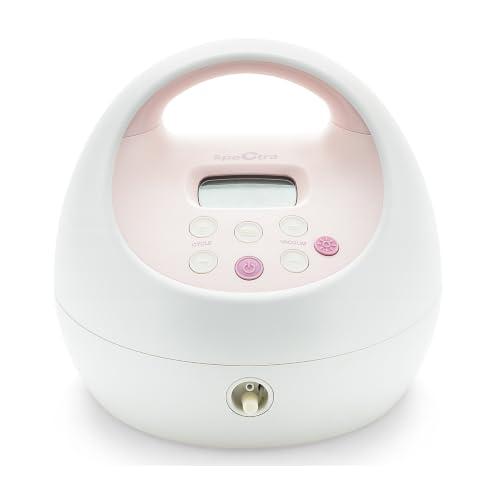
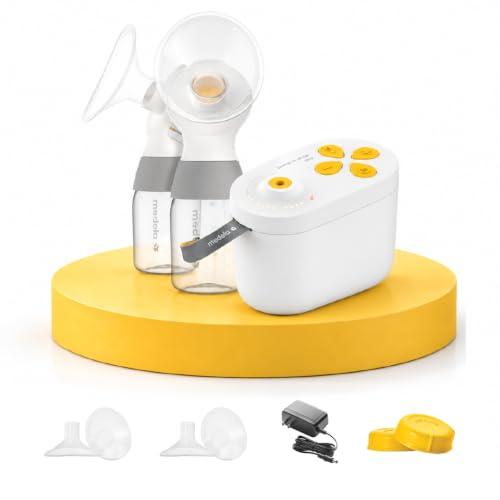
If you are buying: buy the Spectra S2 Plus.It publishes 270 mmHg of suction, it lets you set vacuum strength and cycle speed independently rather than picking from presets, it is a genuine closed system with the backflow protectors in the box, and Spectra warrants the motor for two years against Medela’s one. If you want the pump whose replacement parts are stocked by every pharmacy in America, buy the Medela Pump in Style Pro. If you need to pump during meetings, add the Momcozy M5 — but add it, rather than relying on it.
One disclosure before the picks, in keeping with how we pick: we have not run these pumps through a lab, and we do not claim to have. Everything below is built from each manufacturer’s published specifications, the product manuals where we could read them, named retailer spec sheets, and the FDA’s own guidance on buying a pump. Each figure is cited at the bottom of the page. Where sources disagree — and on breast pumps they disagree constantly, including with themselves — we print both numbers and say which one to plan around.
What actually matters, in order
Pump marketing is a contest over mode counts and app screenshots. Here is the order we ranked on, and why.
Published maximum vacuum — and whether the maker will publish it at all.Suction is measured in millimeters of mercury, and the spread across this page is enormous: the Lansinoh manual caps at 220 mmHg, Spectra publishes 270 mmHg, and retailer spec sheets put the Medela at 295 mmHg. That is not a rounding difference. For someone whose supply is established and who just needs a bottle for daycare, 220 mmHg is fine. For someone exclusively pumping, the difference between 220 and 270 can be the difference between emptying and not. Note which makers publish the number and which leave you reading a DME retailer’s spec sheet: Spectra publishes it, Medela does not, Lansinoh does not, Momcozy does not.
Independent control of vacuum and cycle speed. A baby feeds fast and shallow to trigger a let-down, then slows and deepens to move milk. A pump that gives you one dial is asking you to pick a compromise; a pump that gives you two lets you copy what your baby does. The Spectra is the only pump here with genuinely separate cycle control, and it is the main reason it leads.
Flange fit, which is the single most common reason pumping hurts.The cone that sits against you comes in sizes, the box rarely contains yours, and a flange that is too big pulls in areolar tissue while one that is too small chafes the nipple. The FDA’s own advice here is to “talk to a health care professional who has expertise in breastfeeding” — which is the honest answer, because nobody can size you from a web page. What we can do is tell you what is in each box: Medela ships 21 mm and 24 mm, Spectra ships 24 mm and 28 mm, Lansinoh ships a single 25 mm, Medela’s manual ships one 24 mm, and the Momcozy ships a 24 mm cup with 17, 19 and 21 mm inserts — the widest coverage on this page, and the most useful thing about it.
Open versus closed system.A closed system puts a physical barrier between the milk and the tubing, so milk cannot reach the motor. It matters for hygiene and it matters enormously for resale value — except you cannot resell a pump anyway, per the FDA note above. Spectra and Lansinoh both use the words “closed system” on their own pages. Medela describes “a milk barrier that is placed at the collection cup breast shield” and does not use the phrase, which is a distinction Medela has never explained and we are not going to explain for them.
Parts to wash, parts to replace, parts you can actually buy.Every pumping session ends in a sink. A plug-in pump is a flange, a connector, a membrane, a valve and a bottle per side; a wearable is all of that plus a small silicone diaphragm that is genuinely annoying. Separately: membranes and valves are consumables, they fail without warning, and output drops before you notice. Medela wins this outright — its parts are on a shelf at Target. Spectra parts are an online order. Momcozy parts are an online order from one supplier.
Power, honestly assessed.“Portable” on a pump listing usually means it has a handle. Of the pumps here, only the Momcozy has a real rechargeable battery; the Lansinoh will run on six AA alkalines, which is an escape hatch rather than a plan; the Spectra and both Medelas are mains-only. If pumping away from an outlet is central to your situation, that narrows this page to two products immediately.
The suction numbers, side by side
This is the table the category does not want to publish. Read the middle column with the source attached to it — where the maker publishes nothing, we say so rather than filling the cell.
Wearables are a convenience product, not a supply product. Every in-bra pump trades suction consistency and capacity for the ability to pump while standing up. That trade is completely worth it for someone pumping twice a workday on an established supply. It is the wrong primary pump for someone exclusively pumping or trying to build supply in the early weeks, and the listings never say so. We have put the Momcozy fourth in the ranking order on purpose, not because it is badly made.
Nobody’s output numbers mean anything.You will see “30% more output” claims on wearable listings. They are comparisons against unnamed products under unstated conditions. Output depends on your supply, your flange fit, the time of day, how long since the last session and how relaxed you are — and it varies more between two sessions on the same pump than it does between two pumps. Ignore the percentages.
The consumable parts are the hidden cost and the hidden failure.Valves and membranes on every plug-in pump here are wear items. When they go, suction drops quietly and the obvious conclusion — that your supply is dropping — is usually wrong. If output falls off a cliff, change the membranes before you change anything else. Budget for a spare set with the pump, and keep them in the bag.
How many pumps you actually need, and which to buy second
Most people who pump for any length of time end up with two, and the second one is almost never a better version of the first. The pattern that works:
One plug-in double electric as the workhorse.This is the pump that protects your supply and empties properly. If insurance covers one, this is the slot it fills. Spectra or Medela here, and if neither is on your plan’s list, the Lansinoh is a real pump at a real discount with a real suction ceiling to go with it.
One manual, bought outright, costing about twenty-five dollars. It goes in the hospital bag, then the car, then a drawer. It is there for the flight, the power cut, the week a membrane fails, and the afternoon you went out without the bag. Nobody regrets this purchase.
A wearable only if your actual day requires it. If you pump at a desk, in a car between appointments, or while managing a toddler, the Momcozy earns its place. If you pump at home on a sofa, it does not, and the money is better spent on a second set of flanges in the size that actually fits you.
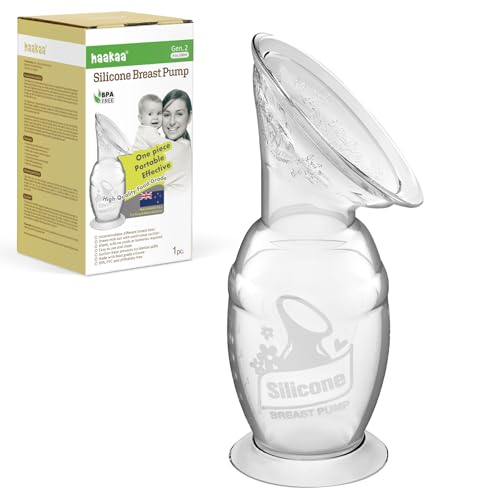
A silicone collector if you are nursing as well as pumping. The Haakaa costs less than a week of nursing pads and recovers milk you are presently losing. It replaces nothing.
What almost nobody needs is two plug-in pumps. The common upgrade path — buy the cheap one, find it underpowered, buy the good one — costs more than buying the Spectra first, which is the whole reason this page leads with the suction table rather than the price.
A short word on flange sizing, because it decides everything else
Every pump on this page will feel wrong in the wrong flange, and the right size is almost never the one in the box. The thing being measured is the nipple diameter at the base, not the areola and not the breast; the flange tunnel needs to be a few millimeters larger than that, enough that the nipple moves freely without areolar tissue being pulled in with it. Sizes commonly run from 15 mm up past 30 mm, and the standard inclusions here — 24 mm and 28 mm from Spectra, 21 mm and 24 mm from Medela, a lone 25 mm from Lansinoh — cover the middle of that range and nothing else.
Signs the flange is wrong: pain during or after pumping, a nipple that looks blanched or ringed afterward, visible areola being drawn deep into the tunnel, or output that stays low while the suction setting climbs. Signs the suction is simply too high: pain that starts a minute or two in, and the instinct to turn it up further because output seems poor — which is backwards, since a vacuum strong enough to hurt also compresses the ducts it is meant to drain. The FDA’s advice here is to “talk to a health care professional who has expertise in breastfeeding,” and on this one point it is worth taking literally: a lactation consultant can size you in ten minutes and will often spot the problem in less.
If you are also setting up bottles
A pump is half of a system. The other half is what the milk goes into, how you clean it and how many of them you need, and we have separate pages for each: best baby bottles ranks bottles on venting, nipple pacing and parts to wash, how many bottles do you need works out the count from your actual feeding pattern, how to sterilize baby bottles covers what the CDC actually asks for, and how to choose a breast pump is the longer explainer behind the criteria on this page. If you are pumping at work, bottle-feeding basics covers paced feeding, the thing that keeps a bottle-fed baby from refusing the breast.
One practical adjacency: a plug-in pump needs both your hands and a seat near an outlet for twenty minutes, which means it also needs somewhere safe to put the baby down. Our best baby bouncersroundup covers that, including the one rule that matters most — a bouncer is a seat, never a sleep surface, so a baby who falls asleep in one while you pump gets moved.
Quick picks at a glance
#
Product
Best for
Score
Price
1
Spectra S2 Plus
The pump that gets named first in most lactation consultations: 270 mmHg of suction, a genuine closed system, and a two-year warranty on the motor.
Best overall: 270 mmHg and independent cycle control
Two cups that sit inside a bra and pump while you do something else — the only format that makes pumping fit around a job, with the output trade-off that comes with it.
The cheapest honest double electric here, and the only one that will run on AA batteries when there is no outlet — with a suction ceiling that is the reason it costs what it does.
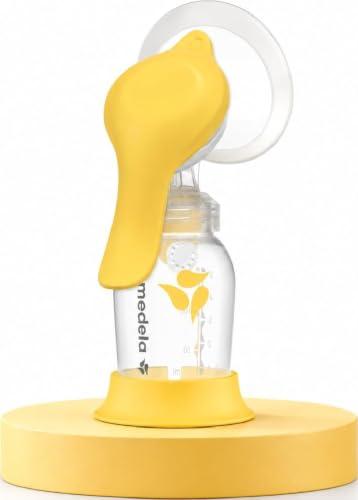
A 105-gram hand pump with the same two-phase rhythm as Medela's electrics — the thing you want in the hospital bag, the car, and the drawer for the day the motor dies.
One piece of food-grade silicone that sticks to the other side while you feed and collects the milk you were already leaking — the cheapest useful thing in the category, and not really a pump.
The pump that gets named first in most lactation consultations: 270 mmHg of suction, a genuine closed system, and a two-year warranty on the motor.
Type
Double or single electric
Maximum vacuum
Up to 270 mmHg (Spectra)
Controls
12 vacuum levels, 5 massage levels, separate cycle control
System
Closed — two backflow protectors included
Power
12V AC adapter; no built-in battery
Weight
Spectra's own page says both 2.5 lb and 3 lb
Flanges included
Two 24 mm and two 28 mm
Timer
30-minute auto shut-off
Warranty
2-year pump, 90-day parts (Spectra)
What we like
Vacuum and cycle speed adjust independently, which is the control that actually lets you copy what your baby does rather than pick from presets
Genuine closed system with backflow protectors in the box — milk cannot reach the tubing or motor
Two-year motor warranty is double what the comparable Medela carries
Quiet enough to run next to a sleeping baby, with a night light and a 30-minute shut-off for the 3 a.m. session
Ships with two flange sizes, so there is a reasonable chance one fits without a separate purchase
Worth noting
No battery — it has to be plugged in, which rules it out for pumping in a car or on a walk (the S1 Plus is the same pump with a rechargeable battery for roughly fifty dollars more)
Spectra contradicts itself on the weight on its own product page, which is not reassuring about the rest of the spec sheet
The 24 mm and 28 mm flanges in the box are both on the larger side; a lot of people need to buy down to 20 mm or 21 mm
Bottles are narrow-neck Spectra-specific, so expect to buy adapters if you feed from wide-neck bottles
No app, no smart anything — if you want pumping logged automatically, this is not that pump
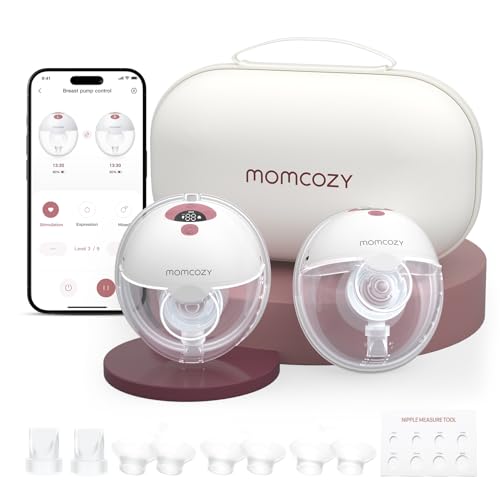
Two cups that sit inside a bra and pump while you do something else — the only format that makes pumping fit around a job, with the output trade-off that comes with it.
Not published by Momcozy; third-party reviews quote up to 285 mmHg
Flanges
24 mm cup with 17, 19 and 21 mm inserts in the box
Capacity
5.6 oz across the pair (retailer spec)
Battery
USB-C; sources quote 150 minutes to ~3 hours per charge — Momcozy does not publish a figure we could verify
App
Yes — levels and timer from a phone
What we like
Genuinely hands-free: no tubing, no motor on a table, nothing to hold
Four effective flange sizes in one box (24 mm cup plus 17/19/21 mm inserts) is better sizing coverage than either plug-in pump here ships with
App control means you can change levels without reaching inside your shirt
Quiet enough for a video call, which is most of the reason people buy a wearable
Cheaper than every other app-controlled double wearable we could find live
Worth noting
Wearables are an output compromise. If you are exclusively pumping or trying to build a supply, a plug-in double electric is the pump that does that job and a wearable is the one you add for convenience
Momcozy does not publish a suction figure or a battery runtime we could verify; the 285 mmHg and 150-minute numbers both come from third parties and disagree with each other
More pieces to wash than a plug-in pump, and the silicone diaphragm is small and fiddly
Leaks if you lean forward far enough — in practice that means it is a sitting-up pump
Battery health, not the motor, is what ends a wearable's life, and it is not user-replaceable
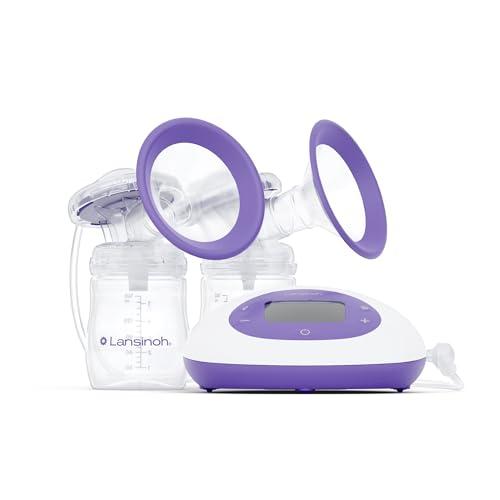
The cheapest honest double electric here, and the only one that will run on AA batteries when there is no outlet — with a suction ceiling that is the reason it costs what it does.
Lansinoh publishes none; the SignaturePro manual gives 80–220 mmHg
System
Closed system, prevents milk backup into tubing (Lansinoh)
Power
AC adapter included; runs on 6 AA batteries (not included)
Flanges included
Two 25 mm ComfortFit; 21, 28, 30.5 and 36 mm sold separately
Display
Backlit LCD
Materials
Expression set made without BPA or BPS, dishwasher safe
What we like
Runs on six AA batteries, which no other plug-in pump here will do — that covers a power cut, a car, and a building site of a workplace
Lansinoh calls it a closed system in plain words on its own product page, which is more than Medela does for the Pump in Style Pro
Backlit LCD is genuinely easier to use in the dark than Spectra's indicator lights
Lowest price of any double electric on this page
Expression-set parts are dishwasher safe and widely stocked
Worth noting
The suction ceiling is the real catch: the manual's 220 mmHg is roughly 50 mmHg below the Spectra and further below what retailers quote for the Medela. For some people that is the difference between emptying and not
Only 8 levels, and vacuum and cycle speed are not independently adjustable
One flange size in the box, and 25 mm is an unusual size to start from — most people will be buying a second set
Lansinoh publishes no mmHg range and no warranty term on the product page; both numbers here come from the manual or are simply absent
AA batteries are an escape hatch, not a plan — six alkalines do not last long at a useful suction level
A 105-gram hand pump with the same two-phase rhythm as Medela's electrics — the thing you want in the hospital bag, the car, and the drawer for the day the motor dies.
Type
Manual, single
Technology
2-Phase Expression via the handle (Medela)
Weight
105 g (Medela)
Flange included
One 24 mm PersonalFit Flex breast shield
In the box
150 mL bottle with lid, plus a bottle stand
Power
None required
Warranty
Not published by Medela on the product page
What we like
105 grams and no power requirement, which makes it the only pump here that is genuinely always available
The handle has two positions that mimic the fast-then-slow pattern a baby actually uses, rather than one flat squeeze
Costs about a fifth of the cheapest electric, so having one as a backup is not a real decision
Uses standard Medela PersonalFit shields, so if you already own a Medela electric your flange sizing carries over
Nothing to charge, nothing to break, nothing to update
Worth noting
It is one breast at a time and it is your hand doing the work — this is not the pump for a regular pumping schedule, and anyone who has tried it for a week will tell you so
Hand fatigue is real and arrives faster than you expect
One 24 mm shield in the box and no smaller size, which is the wrong starting size for a lot of people
Medela publishes no warranty term for it that we could find
The bottle is 150 mL, which a good single-side session can fill
6Best for catching the let-down you are currently losing
Haakaa Gen 2 Silicone Pump
7.6★★★◐★
One piece of food-grade silicone that sticks to the other side while you feed and collects the milk you were already leaking — the cheapest useful thing in the category, and not really a pump.
Type
One-piece silicone suction collector
Capacity
100 mL / 4 oz (also sold in 150 mL)
Material
100% food-grade silicone, no joints or seams
Base
Flat suction-cup base so it does not tip
Free of
BPA, PVC and phthalates (Haakaa)
Cleaning
Boil 2–3 minutes or steam sterilize; Haakaa warns against bleach-based tablets and says UV can shorten its life
Power
None required
What we like
A single piece of silicone: nothing to dismantle, nowhere for milk to hide, 20 seconds to wash
Collects the let-down from the side your baby is not on, which is milk most people simply lose into a pad
The Gen 2 suction base is the fix for the Gen 1's one real flaw — it does not tip over when you knock it
Costs less than a week of nursing pads
No batteries, no motor, no parts to replace, nothing to go wrong
Worth noting
This is a collector, not a pump. It cannot build or protect a supply, it cannot empty a breast on demand, and it is not a substitute for anything else on this page
Suction is whatever you set when you squeeze and attach it — there is no control and no consistency session to session
Silicone picks up smells over time and the bottle-brush bristles will eventually scuff it
No lid in some listings; check whether yours includes the silicone cap if you plan to put it straight in the fridge
Haakaa advises against bleach-based sterilizing tablets and says UV sterilizers may shorten its lifespan, which rules out two common cleaning routines
How it scored
Suction & control4.0
Comfort8.0
Portability9.6
Ease of cleaning10.0
Value9.8
Frequently asked questions
What is the best breast pump?+
For most people buying one outright, the Spectra S2 Plus: it publishes 270 mmHg of suction, it is the only pump in this group that lets you set vacuum strength and cycle speed independently, it is a genuine closed system with backflow protectors in the box, and Spectra warrants the motor for two years. But file your insurance claim first — HealthCare.gov says plainly that your plan must cover the cost of a breast pump, and most durable-medical-equipment suppliers carry this exact pump.
Does insurance really cover a breast pump?+
Yes, with conditions. HealthCare.gov states that your health insurance plan must cover the cost of a breast pump, and that it may be either a rental unit or a new one you keep. Plans can set their own guidelines on whether the covered pump is manual or electric, how long a rental runs, and whether you receive it before or after birth — and grandfathered plans are exempt from the requirement. Call your plan and ask those three questions specifically.
Is a 'hospital grade' breast pump better?+
The term does not mean anything. The FDA states: 'The FDA does not recognize the term hospital grade, so this term doesn't mean a pump is safe.' It appears in the Amazon titles of two pumps on this page. What does distinguish a genuine hospital pump is that it is built for multiple users — milk can never reach the shared working parts — and those come from authorized rental providers, not retail listings.
Can I buy a used breast pump?+
No, not a single-user pump. The FDA is unambiguous: 'You should never buy a previously used or pre-owned pump designed for single users,' because secondhand pumps can expose you and your baby to contamination. Every pump on this page is a single-user device. A rented multiple-user pump from an authorized provider is a different thing, and even then you supply your own accessory kit — the milk container, breast shield and tubing.
Are wearable breast pumps as good as a regular pump?+
Not for output, and the listings will not tell you that. An in-bra wearable trades suction consistency and capacity for the ability to pump while you do something else. For someone pumping twice a workday on an established supply, that trade is clearly worth it. For someone exclusively pumping or building a supply in the first weeks, a plug-in double electric is the pump that does the job and a wearable is the one you add alongside it.
Why does pumping hurt?+
Most often, flange size. The cone that sits against you comes in sizes and the box rarely contains yours — a flange that is too large pulls areolar tissue into the tunnel, one that is too small chafes the nipple, and either produces pain plus poor output. Suction set too high is the second cause. The FDA's own advice is to talk to a health care professional with breastfeeding expertise, which is the honest answer because nobody can size you from a web page.
My output suddenly dropped. Is my supply going?+
Change the membranes and valves first. They are consumable parts on every plug-in pump here, they fail without warning, and when they do the suction falls quietly while everything looks normal. A surprising amount of 'my supply crashed' turns out to be a two-dollar silicone part. Keep a spare set with the pump.
Do I need a manual pump as well?+
It is the cheapest useful redundancy in this whole category. A manual costs roughly a fifth of the cheapest electric, weighs about 105 grams, needs no power, and covers the hospital bag, the car, a power cut and the week your motor dies. Nobody chooses a manual as their regular pump — the hand fatigue is real — but almost everyone who has owned one is glad it was in the drawer.